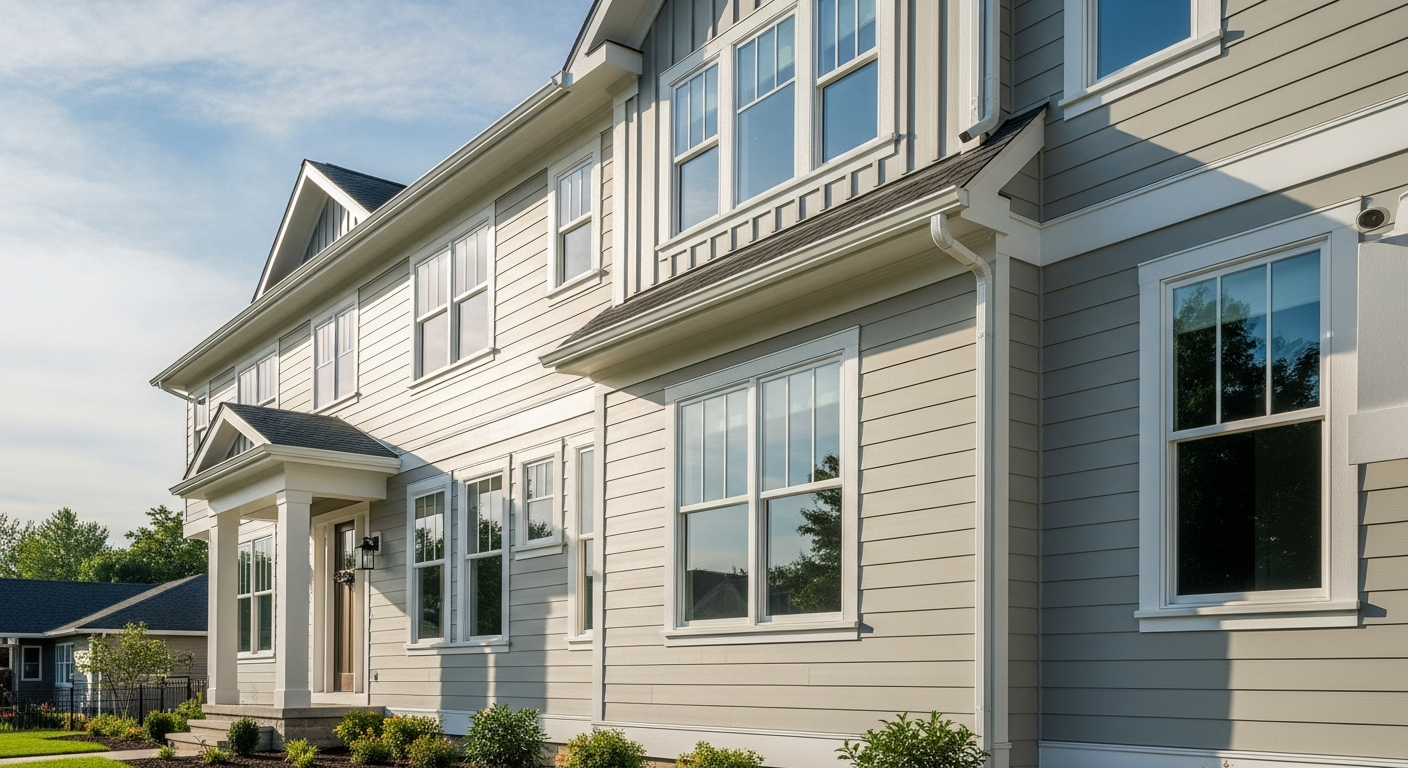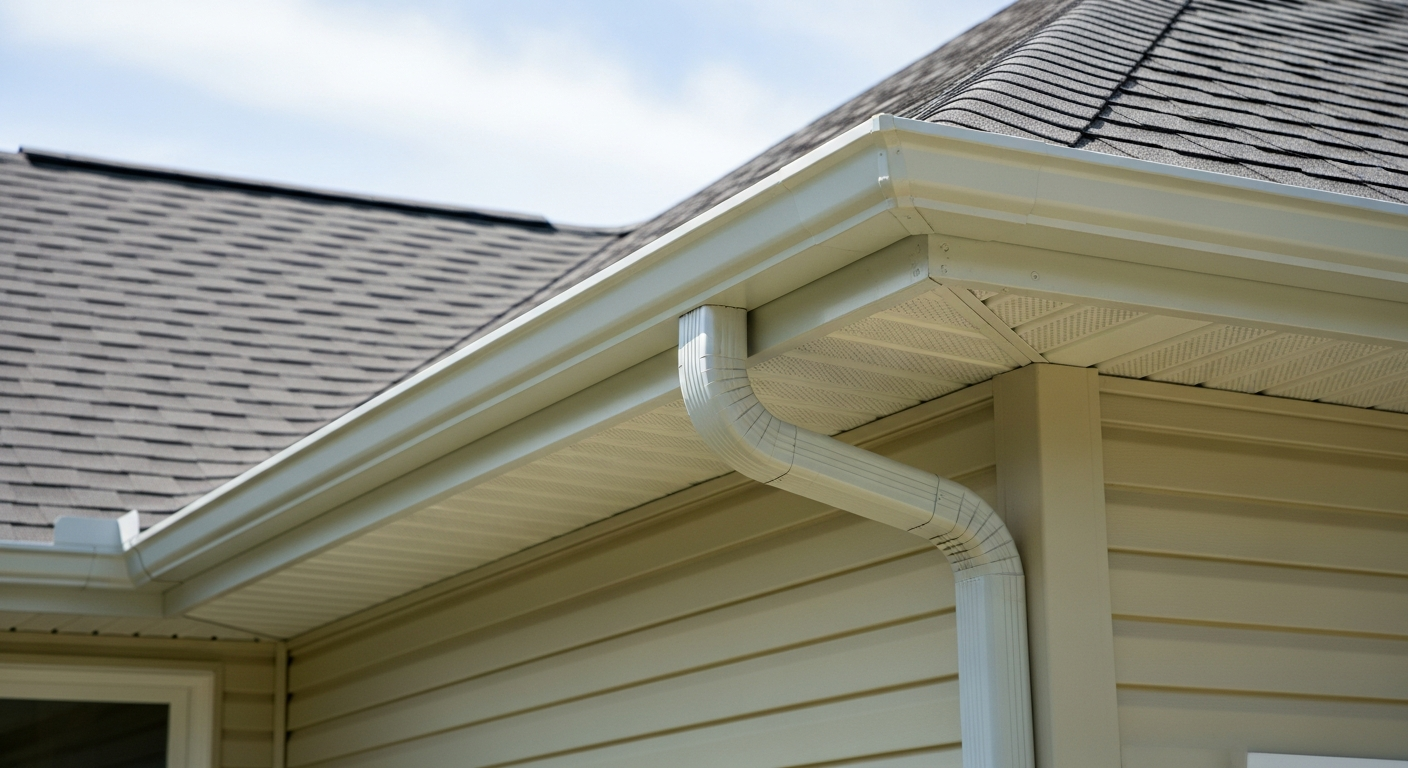

Vinyl siding is a PVC exterior cladding hung loosely on nails over house wrap, so it can move with temperature instead of being fastened tight to the wall.
New siding does more than improve your home's appearance — it protects your biggest investment from Missouri's harsh weather while cutting energy costs. Here's everything you need to know.
Is It Time to Replace Your Siding?
Siding is your home's first line of defense against wind-driven rain, hail, UV radiation, and temperature extremes. Missouri throws all of these at your home in abundance. Watch for these signs that it's time to upgrade:
- Warping, buckling, or cracked panels
- Faded or chalky surface that won't clean up
- Paint peeling on the inside of exterior walls (moisture intrusion)
- Visible rot, especially at corners and around windows
- Higher-than-usual heating and cooling bills
- Hail damage dimpling or cracks after a major storm
- Older aluminum siding that dents and oxidizes
Why Vinyl Siding Is the #1 Choice for St. Louis Homes
Vinyl siding has dominated the residential exterior market for decades, and for good reason. It offers an outstanding combination of durability, low maintenance, curb appeal, and value that no other material matches at its price point.
- Never needs painting — color is molded through the entire panel
- Resistant to rot, insects, and moisture — no wood to decay
- Withstands Missouri temperature extremes without expanding or contracting excessively
- Dramatically lower lifetime maintenance cost vs. wood or aluminum siding
- Available in hundreds of colors and dozens of profiles
- Can be installed over existing siding in many cases, reducing labor and disposal costs
- Modern insulated vinyl siding significantly improves wall R-value
CertainTeed Vinyl Siding Products We Install
We are a certified CertainTeed installer for their complete siding lineup. Here's an overview of the products we most frequently install for St. Louis homeowners:
CedarBoards™ Insulated Siding
Our most popular siding product. CedarBoards™ Insulated panels feature a continuous foam backing that fills the gap between the panel and the wall, eliminating thermal bridging and significantly improving wall R-value. The result is a warmer home in winter, cooler in summer, and a more rigid, solid feel when you knock on the wall — it sounds like wood. Available in Double 5" and Double 6" exposures in a wide range of colors.
- R-value added: Up to R-3 per panel system
- Profile: Smooth and woodgrain textures available
- Wind resistance: Tested to 110 mph
- Best for: Energy-conscious homeowners; homes with older, less-insulated walls
Monogram® Premium Vinyl Siding
Monogram® is CertainTeed's premium vinyl siding line featuring thicker panel construction, tighter tolerances, and more color options. The extra thickness (.046") gives Monogram® exceptional hail resistance and a premium solid feel.
- Thickness: .046" — among the thickest standard vinyl siding available
- Colors: 50+ colors with a 30-year fade warranty
- Profile: Available in multiple widths and exposures
- Best for: Homeowners who want the best standard vinyl product available
Cedar Impressions® Polymer Shakes & Shingles
For homes that want the appearance of real wood shakes or scalloped shingles — think bungalows, Craftsman homes, and Victorian-era houses common in St. Louis's historic neighborhoods — Cedar Impressions® delivers authentic detail without the maintenance headaches of real wood.
- Material: Heavy-duty polymer (not standard vinyl)
- Impact resistance: Excellent — resists hail and impact damage
- Best for: Accents (gables, dormers) or full siding on historic St. Louis homes
How Much Does New Siding Cost in St. Louis?
Siding costs depend on your home's square footage, story count, number of penetrations (windows, doors, outlets), and material selected. Here are realistic ranges for the St. Louis market in 2026:
- Small home (under 1,500 sq ft): $7,000–$13,000
- Average home (1,500–2,500 sq ft): $12,000–$24,000
- Large home (2,500–4,000 sq ft): $20,000–$40,000+
- Insulated vinyl premium: Add 15–25% over standard vinyl
- Tear-off and disposal of old siding: Add $1,500–$4,000
- Trim upgrade (windows, corners, soffit, fascia): Varies
The STLBRC Siding Installation Process
Our installation process is designed to maximize the performance and longevity of your new siding:
- Free in-home estimate and material selection consultation
- Old siding removal and disposal (if applicable)
- Inspection and repair of any sheathing damage
- Installation of house wrap (moisture barrier) per manufacturer specs
- Panel installation with proper nailing technique and expansion gaps
- Full trim package — windows, doors, corners, J-channel, soffit, and fascia
- Clean-up and final inspection walk-through
- CertainTeed warranty registration
Why does nailing technique matter on vinyl?
Vinyl expands and contracts with temperature, so it must hang, not be pinned. Nails driven too tight cause waves and buckling on hot days. Installers center nails in the slots and leave a small gap under the head. Ask how the crew handles this on south and west walls.
Can vinyl go over old siding?
Sometimes, but only after checking what is under it. Covering rotted wood or wet sheathing hides problems that keep growing. Ask your installer to open a few areas first. Tear-off lets them inspect and repair the wall, then install proper house wrap.
How should you prepare for siding day?
Move grills, furniture and planters away from the walls. Take fragile items off interior walls, since installation can vibrate them. Plan for noise during tear-off. Ask where the dumpster will sit and how nails will be collected from the yard.
- Ask how outlets and lights will be trimmed out
- Confirm house wrap and window flashing are included
- Keep the color and profile name for future repairs