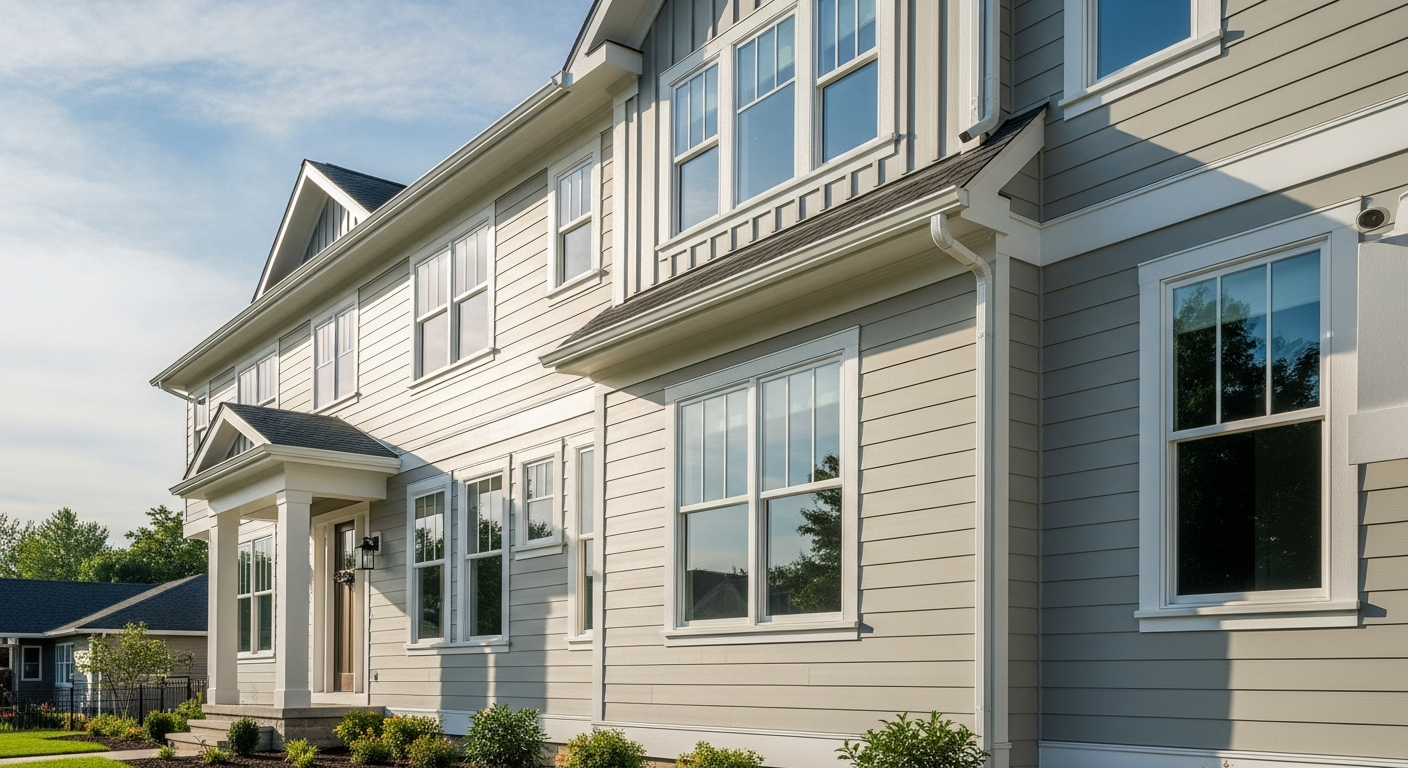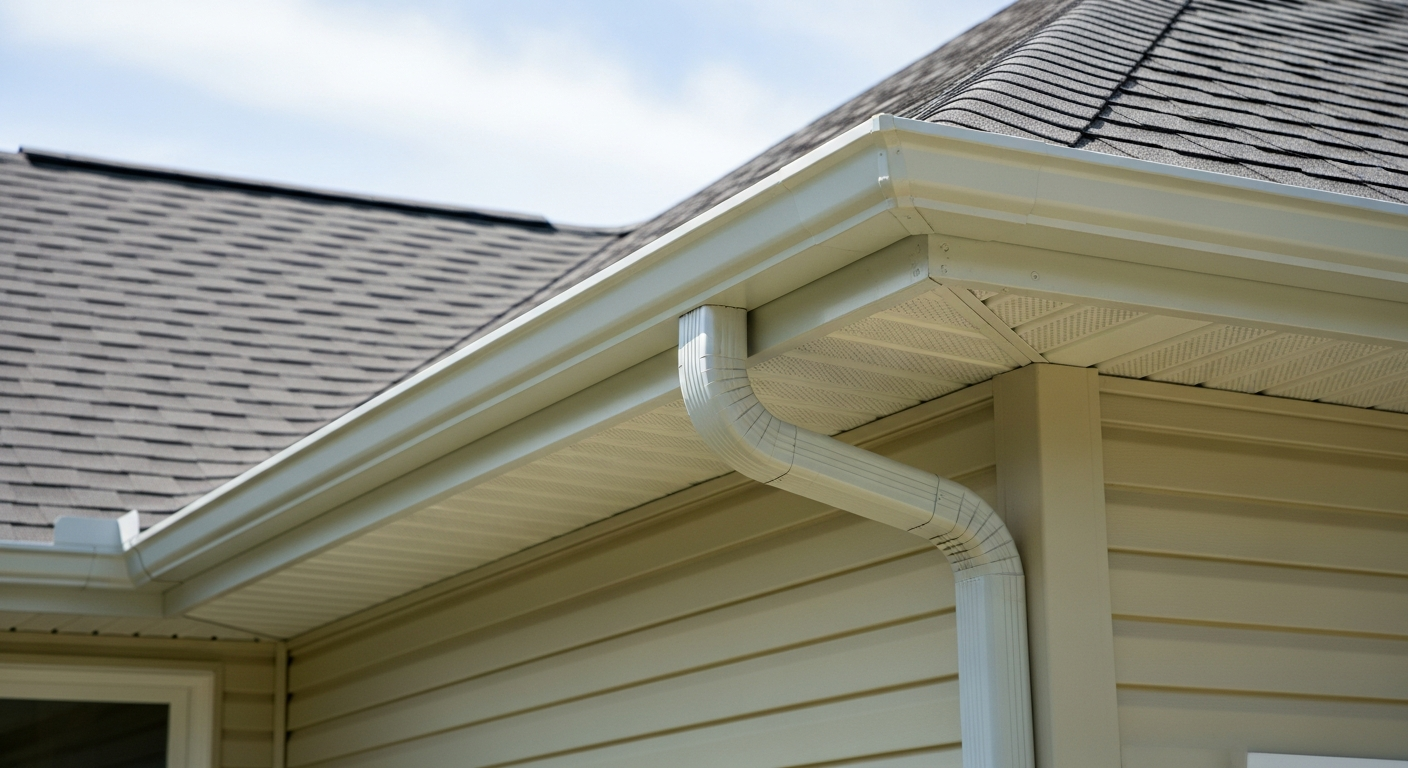

Siding replacement cost is the full installed price of removing old cladding, repairing what is underneath and installing new siding, trim and flashing.
New siding is one of the highest-return improvements you can make to a home — but the cost varies widely by material and home size. Here's an honest breakdown of siding pricing for St. Louis homeowners.
New siding transforms both how a home looks and how it performs — and it consistently ranks among the highest-return home improvements at resale. But 'how much does siding cost?' is a bit like asking 'how much does a car cost': it depends heavily on the material you choose and the size and details of your home. Here's a realistic breakdown to help St. Louis homeowners budget, without the runaround.
What Drives the Price of a Siding Job
Before the numbers, it helps to know what moves them. The biggest cost factors are:
- Material choice — the single largest variable, from budget vinyl to premium fiber cement
- The square footage of wall area (a two-story home has far more than a ranch of the same footprint)
- Home height and complexity — multiple stories, dormers, peaks, and trim details add labor
- Condition of what's underneath — any rotted sheathing or house wrap that needs replacing
- Removal and disposal of the old siding
- Added upgrades like insulated backing, new trim, soffit, and fascia
Cost by Material
Here's how the common siding materials generally rank on installed cost, from most affordable to premium:
Vinyl Siding — Most Affordable
Vinyl remains the budget-friendly favorite, and modern products like CertainTeed's MainStreet and CedarBoards lines look far better than the vinyl of decades past. It's low-maintenance and available in many colors. Insulated vinyl costs more but adds energy efficiency and a more solid feel.
- Best for: homeowners wanting the most affordable, low-maintenance option
- Range: the lowest installed cost of the common materials
Engineered Wood (LP SmartSide) — Mid to Upper Range
Engineered wood delivers a premium, authentic-wood look at a cost that typically lands below fiber cement. Its lighter weight helps keep installation labor reasonable.
- Best for: homeowners wanting real-wood character with modern durability
- Range: mid-to-upper premium, generally under fiber cement
Fiber Cement (James Hardie) — Premium
Fiber cement sits at the top of the range because of the material cost and the specialized labor it requires. You're paying for maximum durability, fire resistance, and color longevity.
- Best for: homeowners prioritizing durability and long-term value
- Range: the highest installed cost of the mainstream options
Why 'Cheapest Quote' Can Be the Most Expensive
Siding is only as good as the water management behind it. A lowball quote often skips the details that prevent moisture problems — proper house wrap, correctly integrated flashing around windows and doors, and replacing any hidden rot before the new siding goes on. When those steps are cut, water gets behind the siding and rots the sheathing, and you pay far more to fix it later. When you compare quotes, make sure they cover the same scope, including what happens beneath the surface.
Get an Accurate Number for Your Home
The only way to know what your project will cost is a measured, in-person estimate — square footage, home complexity, material choice, and the condition of what's underneath all factor in. We provide detailed, itemized quotes so you can see exactly what you're paying for, with no vague line items or surprise change orders. For a free siding estimate anywhere in the St. Louis metro, call STLBRC at (636) 999-7663.
What hidden repairs can change the price?
Rotted sheathing and damaged framing are the most common surprises. They stay hidden until the old siding comes off. A fair contract states how these repairs will be priced, such as per sheet. Ask to see photos before any extra repair work starts.
Does trim and soffit work cost extra?
Often, yes, and quotes treat it differently. Some include window wraps, soffit and fascia. Others price only the wall panels. Ask each contractor to list trim items so you compare the same job.
Can you replace only one side of the house?
Sometimes, but matching color and profile can be hard on older siding. Faded panels rarely match new stock exactly. If one wall is damaged by storm, ask your insurer how matching is handled under your policy. A contractor can show samples next to the existing siding before you decide.
How can you lower cost without cutting corners?
Choose a simpler profile, limit accent materials and keep trim colors standard. Do not cut house wrap, flashing or proper fasteners. Those parts protect the wall behind the siding.
When is the best time to schedule siding?
Siding can be installed in most seasons, but some materials and sealants have temperature limits. Painted products need suitable weather for finishing. Ask your installer about any limits for your product. Schedule after roof work if both are planned, so flashing ties in correctly.
What should you ask about the warranty?
Ask which warranty covers the product and which covers the installation. Ask how long each lasts and whether it transfers to a buyer. Get both in writing. Ask what voids coverage, such as missing house wrap or wrong fasteners. A long product warranty means little if installation errors are excluded and the installer gives no workmanship terms.
- Ask who registers the product warranty
- Request warranty documents at completion
- Keep them with your home records