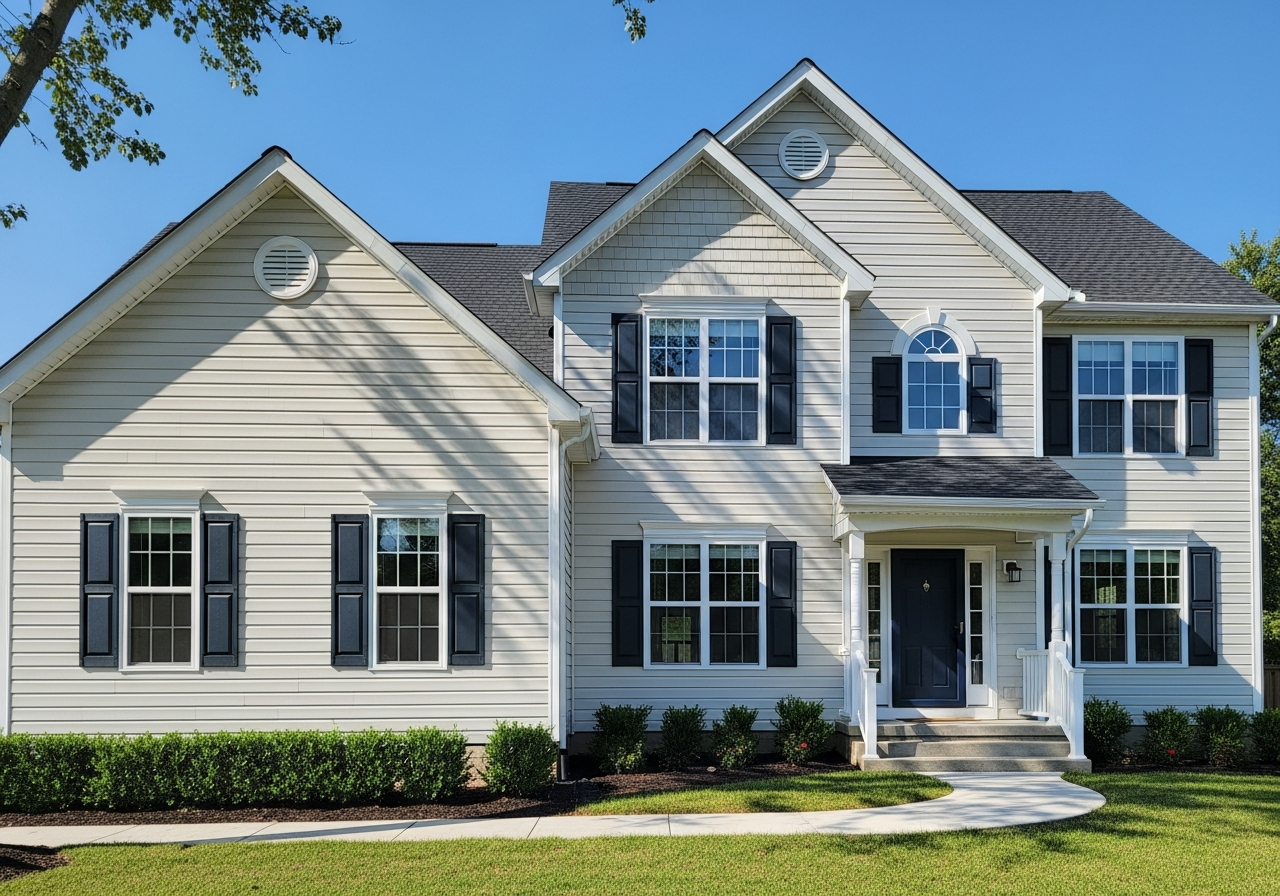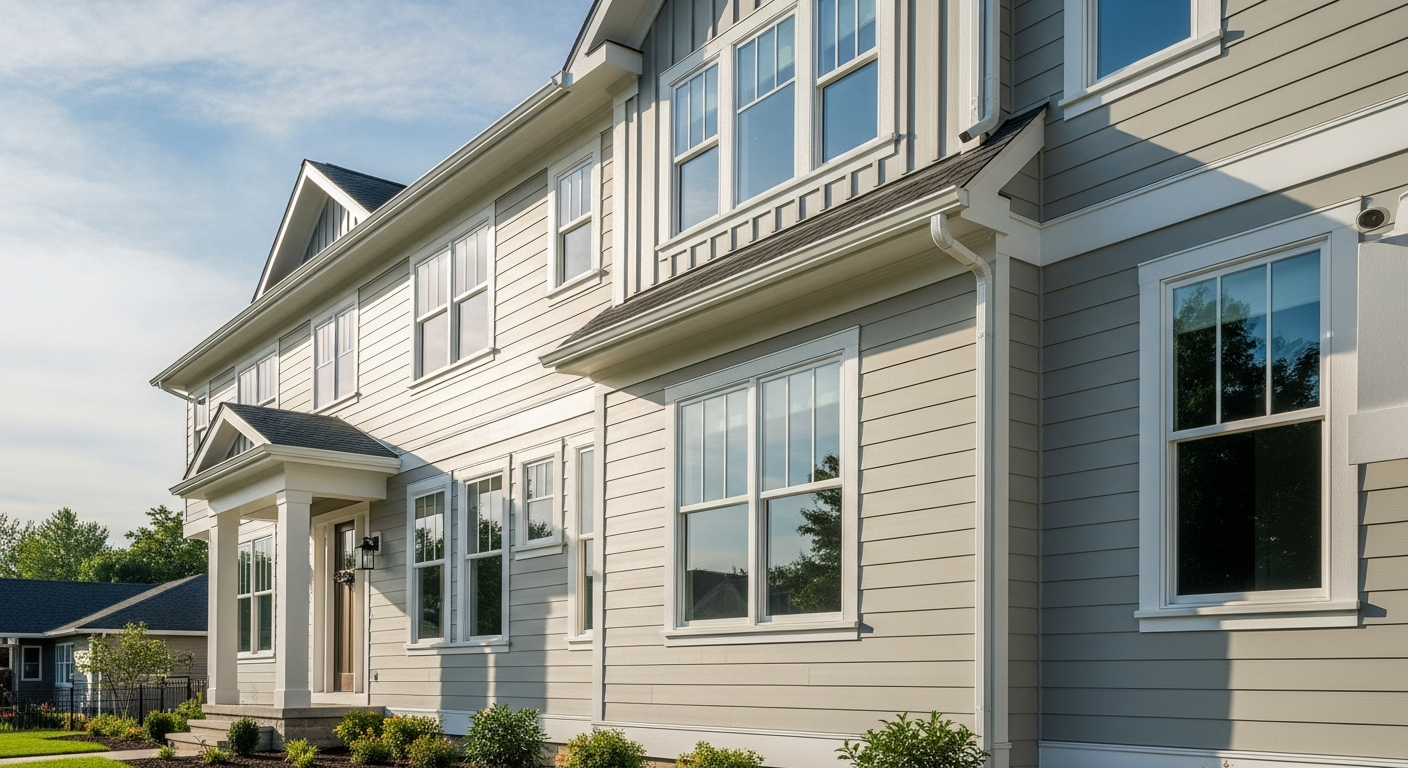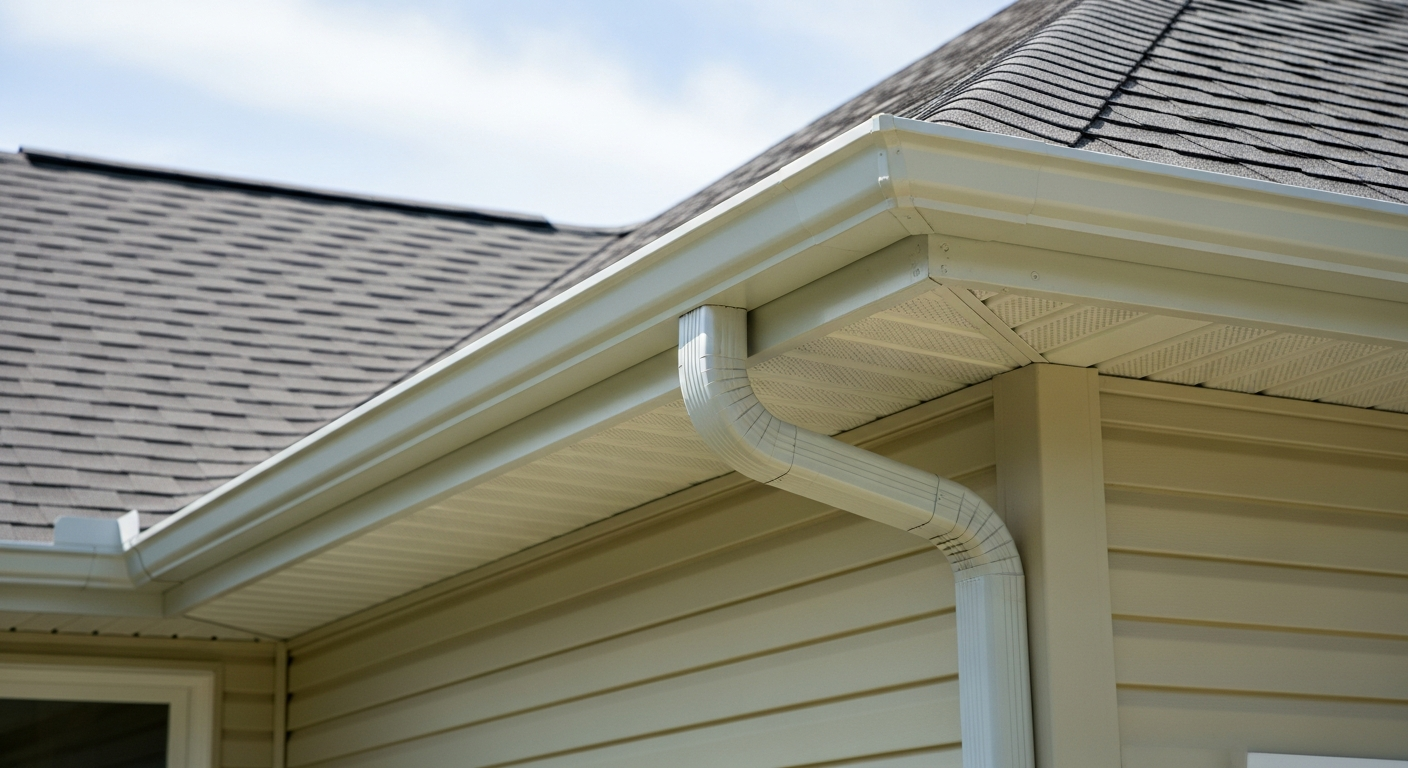

Weather-resistant siding is cladding chosen for how well it handles hail, wind-driven rain, humidity and freeze-thaw cycles, not just for how it looks on day one.
Missouri throws everything at your siding — 100-degree summers, freezing winters, humidity, and hail. Here's how the major siding materials hold up, and which we recommend for our climate.
Missouri weather is genuinely tough on the outside of a home. In a single year your siding endures 100-degree summer heat and humidity, freeze-thaw cycles that expand and contract every material, and the spring storm season that brings hail and straight-line winds through St. Louis, Franklin, and Jefferson counties. Not every siding material handles that punishment equally. Here's how the major options perform in our specific climate, and what we recommend.
What Missouri Weather Demands of Siding
To last here, siding needs to handle several stresses at once:
- Heat and UV resistance so color doesn't fade and panels don't warp in summer
- Freeze-thaw stability so it doesn't crack as temperatures swing
- Impact resistance to survive hail
- Moisture and humidity resistance to prevent rot and mold
- Wind resistance to stay attached through severe storms
Fiber Cement (James Hardie): The Durability Leader
For all-around toughness in our climate, fiber cement is hard to beat. It doesn't warp in heat, won't rot in humidity, resists hail impact well, and is non-combustible. Its baked-on color holds up strongly against Missouri's intense summer sun. If maximum durability and the longest color life are your goals, fiber cement is the top performer — at a premium price.
Engineered Wood (LP SmartSide): Tough and Forgiving
Engineered wood is treated to resist rot and insects and is notably impact-resistant, with a slight flex that helps it shrug off hail rather than crack. It handles our temperature swings well and delivers an authentic wood look. It's an excellent, slightly more budget-friendly alternative to fiber cement that performs very well in Missouri conditions.
Insulated Vinyl: Best Value Performer
Standard vinyl can become brittle in extreme cold and can warp under intense reflected heat, but insulated vinyl (like CertainTeed CedarBoards) addresses much of this — the foam backing adds rigidity, impact resistance, and thermal performance. For homeowners who want solid weather performance and low maintenance without a premium budget, insulated vinyl is the value sweet spot in our market.
Our Recommendation for St. Louis Homes
There's no single 'best' for everyone — it depends on your budget and priorities. If you want the most durable, longest-lasting siding and fire resistance, choose fiber cement. If you love a real-wood look with excellent durability at a friendlier price, choose engineered wood. If value and low maintenance matter most, insulated vinyl is a strong performer that will hold up to Missouri weather for years. Whatever you choose, proper installation — house wrap, flashing, and moisture management — is what ultimately keeps water out and makes the siding last. We'll help you match the material to your home and budget. Call STLBRC at (636) 999-7663.
Which walls take the worst weather?
Walls facing the prevailing storm direction and full afternoon sun take the most abuse. Wind-driven rain hits some walls far harder than others. Look at where your paint fades first or where hail marked the siding. Those walls show where performance matters most on your house.
Does color affect siding performance?
Yes. Dark colors absorb more heat, which can stress some materials, especially vinyl. Manufacturers often limit which colors are offered for that reason. Ask whether the color you like is rated for your product and wall exposure.
What matters more than the siding material?
The water barrier and flashing behind it matter most. Every siding lets some water past in a driving storm. A properly lapped house wrap and window flashing carry it back out. A great siding on a poorly flashed wall can still rot the sheathing.
How should you weigh cost against durability?
Consider how long you plan to stay. Shorter stays favor lower upfront cost. Longer stays reward tougher materials and lower upkeep. Also count painting cycles, since painted products need repainting over time.
Should siding and gutters be planned together?
Often, yes. Overflowing gutters soak siding and trim below them. If both are aging, coordinate the work so flashing and drip edges tie in cleanly.
How do you compare siding samples at home?
Brochure photos rarely match how siding looks on your own walls. Ask for full-size samples, not small chips. Hold them against your brick, roof and trim in daylight. Look at them in the morning and in the evening, since color shifts with light. Compare texture from the street, where most people will see it. Ask each installer how the product handles a dent or crack and how a single piece is replaced. Ask to see a home they finished a few years ago. Seeing real wear in our climate tells you more than a lab rating.
- Full-size samples against your existing roof and brick
- Morning and evening daylight checks
- A finished local project at least a few years old
- Written answers on single-board repair
Where can you see each siding aged?
Ask installers for local homes finished several years ago, then drive past.
- Note how the siding looks on storm-facing walls
- Ask owners whether any boards were replaced
- Compare paint wear on south and west walls