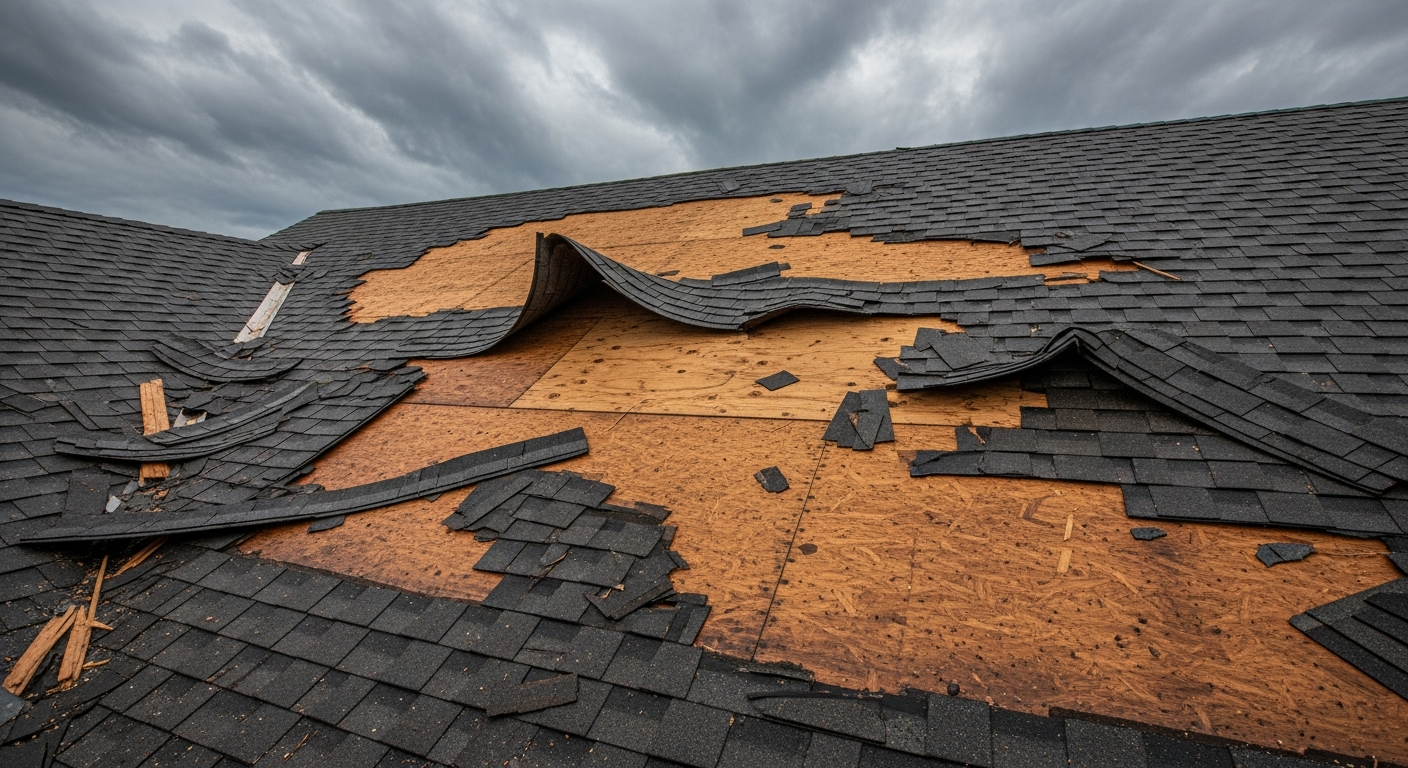

A storm damage insurance claim is a formal request to your homeowner's insurer to pay for repairs caused by a covered weather event such as hail or wind.
After a hailstorm or high-wind event, navigating the insurance claim process can feel overwhelming. This guide walks you through every step so you don't leave money on the table.
Why Storm Damage Claims Are Complicated
Missouri consistently ranks among the top 10 states for hail damage insurance claims. The St. Louis metro area is particularly vulnerable, sitting in the corridor between Gulf moisture and Canadian cold fronts that produces the most severe convective storms in the country. Despite how common these claims are, insurance companies have teams of adjusters whose job is to minimize payouts — not maximize your recovery. Knowing the process puts you in control.
Step 1: Assess and Document the Damage Safely
After the storm passes, do a visual inspection from the ground and inside your attic. Do not walk on the roof yourself — this is dangerous and can void your claim if you cause additional damage. Document everything:
- Photograph the exterior of your home from all four sides
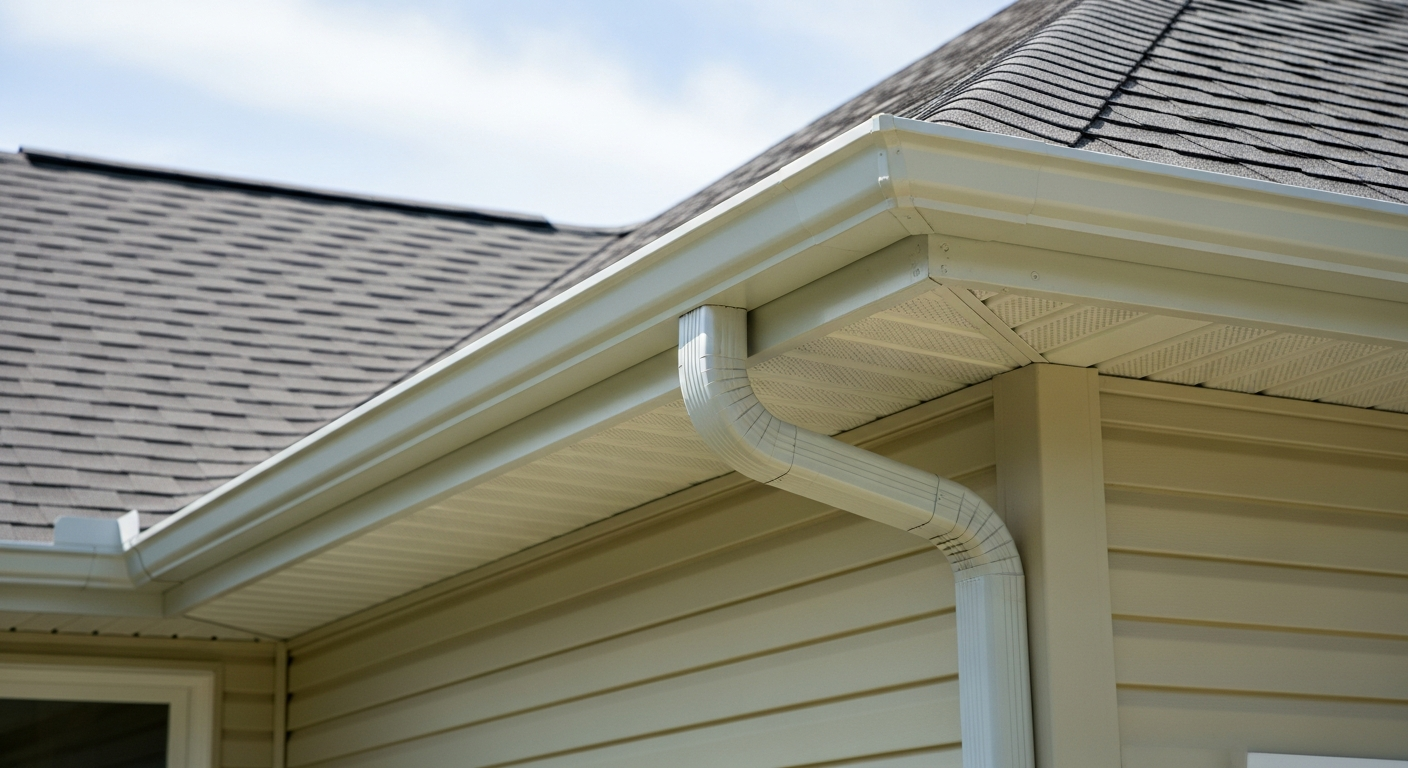
- Photograph your gutters — dented gutters are a key proof of hail size
- Check downspouts for granule accumulation (sign of shingle damage)
- Look for dented AC condenser fins, garage doors, window screens, and fascia
- Check your attic for daylight, moisture, or water staining
- Note the storm date, time, and any severe weather alerts for your area
Step 2: Call STLBRC for a Free Professional Inspection
Before you contact your insurance company, call us. Our storm damage specialists will inspect your roof with the same eye an insurance adjuster uses — and we know what adjusters look for. We'll provide you with a professional damage assessment that documents everything in detail, which becomes your evidence when the adjuster arrives. This step is completely free and puts you in a much stronger position.
Step 3: File Your Claim Promptly
Most homeowner's insurance policies have a deadline for filing storm damage claims — often 1 year from the storm date, but it varies by policy. File promptly. Contact your insurance company by phone or their app, and have this information ready:
- Policy number
- Date and approximate time of the storm
- Description of damage (exterior, roof, gutters, etc.)
- Photos you've already taken
- Your STLBRC damage assessment report (if already completed)
Step 4: Meet the Insurance Adjuster — With Us Present
Once your claim is filed, your insurance company will send an adjuster to inspect the damage. We strongly recommend you ask us to be present during this appointment. Here's why: adjusters are thorough, but they have a financial incentive to minimize the claim. Our team knows construction costs, local labor rates, and manufacturer repair standards. We can advocate for a fair settlement that actually covers the full cost of proper restoration. This service costs you nothing — it's included when you hire us for the repair.
Step 5: Review Your Claim Settlement Carefully
After the adjuster's visit, your insurance company will send a claim summary (called an Explanation of Benefits or a Claim Estimate). Review it carefully before accepting:
- Does it cover full replacement of damaged components, or only repair?
- Does it account for matching materials on non-damaged sections (often required by Missouri law)?
- Is depreciation (holdback) listed? If so, you may be entitled to recover it once work is complete.
- Does it include proper code upgrade coverage for ventilation, ice barriers, and other improvements your jurisdiction requires?
- Is the labor rate realistic for the St. Louis market?
Step 6: The Supplement Process
If the initial settlement is too low — which is common — don't panic. We handle the supplement process on your behalf. A supplement is an additional claim submission with supporting documentation asking for a higher settlement. Common reasons for supplements include missed items during the adjuster's visit, increases in material costs between claim and repair, and code-required upgrades. We have a strong track record of successfully supplementing claims to ensure our clients' projects are fully covered.
Step 7: Restoration and Final Payment
Once the settlement is agreed upon, we schedule and complete your restoration using the highest-quality CertainTeed materials. After work is complete, you submit your Certificate of Completion to your insurer, who then releases any withheld depreciation. Most homeowners end up paying only their deductible out of pocket for a full roof replacement — exactly what insurance is designed for. Important: any contractor who offers to 'waive your deductible' is committing insurance fraud in Missouri. We never do this.
Common Storm Damage Mistakes Missouri Homeowners Make
Avoid these pitfalls that can hurt your claim or lead to incomplete repairs:
- Waiting too long to file — storm damage gets worse over time and claims get denied
- Letting a storm chaser from out of state do the work — they disappear after payment and your warranty is worthless
- Accepting the first settlement offer without review
- Using a contractor who doesn't specialize in insurance work
- Making repairs before the adjuster inspects (unless it's emergency leak mitigation)
- Paying a contractor before the insurance check arrives
Where should claim documents be kept?
Keep photos, letters, estimates and receipts in one dated folder, with backups.