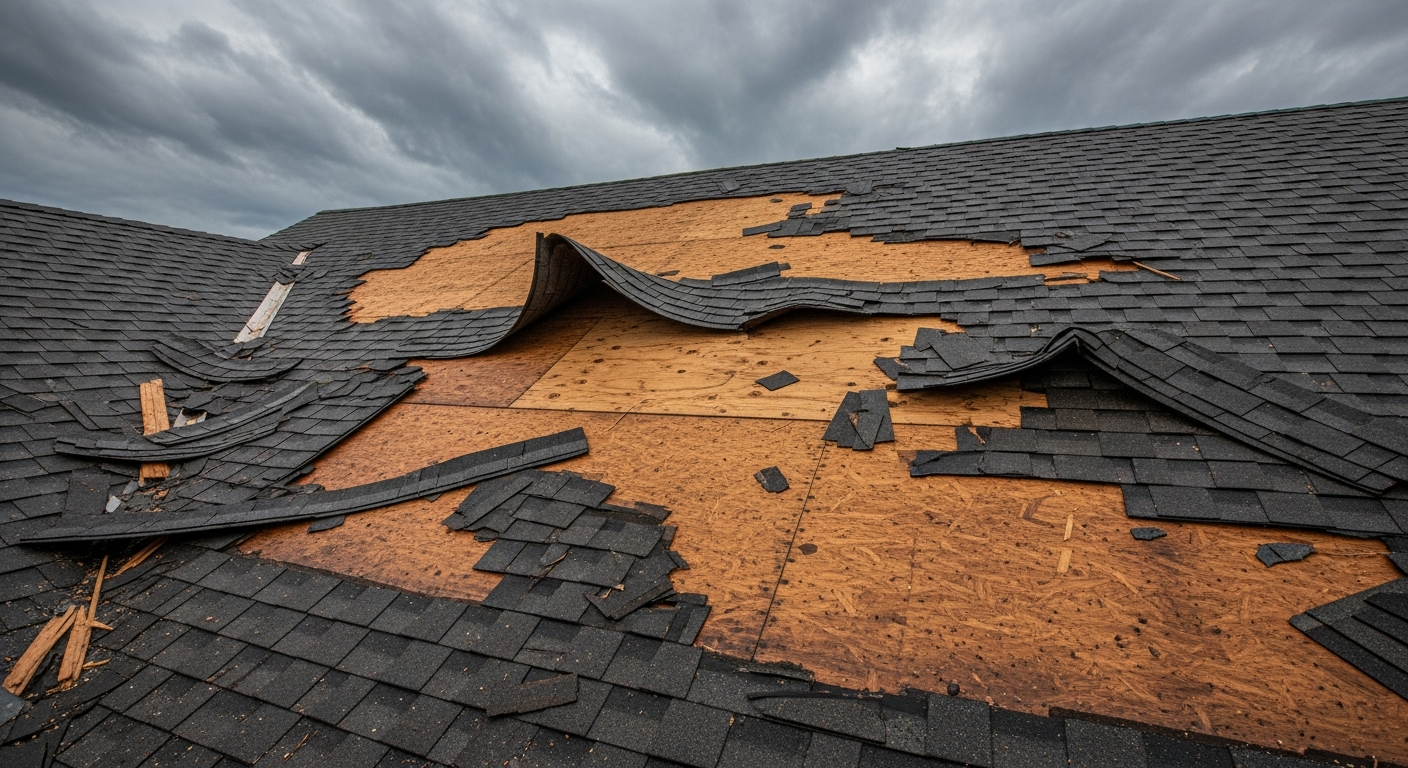

Hail damage is bruising, cracking or granule loss caused when hailstones strike roofing, which may not leak at first but can shorten the life of the shingles.
St. Louis sits in one of the most active hail corridors in the United States. Understanding what hail does to your roof — and what to do about it — could save you thousands.
Why St. Louis Gets So Much Hail
The St. Louis area can receive severe hail when warm, moist air meets colder air. A hailstorm can affect neighboring homes differently. Roof age, materials, wind direction and the size of the hail all matter. Do not assume a roof is damaged based on the weather report alone. Have the actual roof condition documented from a safe inspection. Check your gutters and siding from the ground for dents or debris. Save dated photos, but do not climb onto the roof.
What Hail Actually Does to Your Shingles
This is where most homeowners are surprised. Hail damage to asphalt shingles is often invisible from the ground — but it's devastating to the shingle's performance. Here's the progression:
- Impact creates a 'bruise' in the asphalt mat — shattering the bond between the protective mineral granules and the asphalt
- Granules in the impact zone are loosened or removed, exposing bare asphalt
- The asphalt rapidly oxidizes and dries in the exposed area
- Within 1–3 years, the bruised area cracks, allowing water to penetrate the fiberglass mat
- Leaks begin — often years after the original storm, making the connection to hail less obvious
- By the time a leak appears, significant internal damage may have already occurred
What a Professional Hail Inspection Looks For
When our storm specialists inspect a roof after a hail event, we're looking for specific markers that meet insurance company standards for covered damage:
- Random circular impact marks — uniform in appearance, distributed randomly across the roof plane
- Granule loss exposing black asphalt — visible at the impact point with a flashlight
- Soft spots in the shingle mat — felt by pressing with a thumb at the impact zone
- Denting on metal components — ridge vents, flashing, step flashing, pipe boots
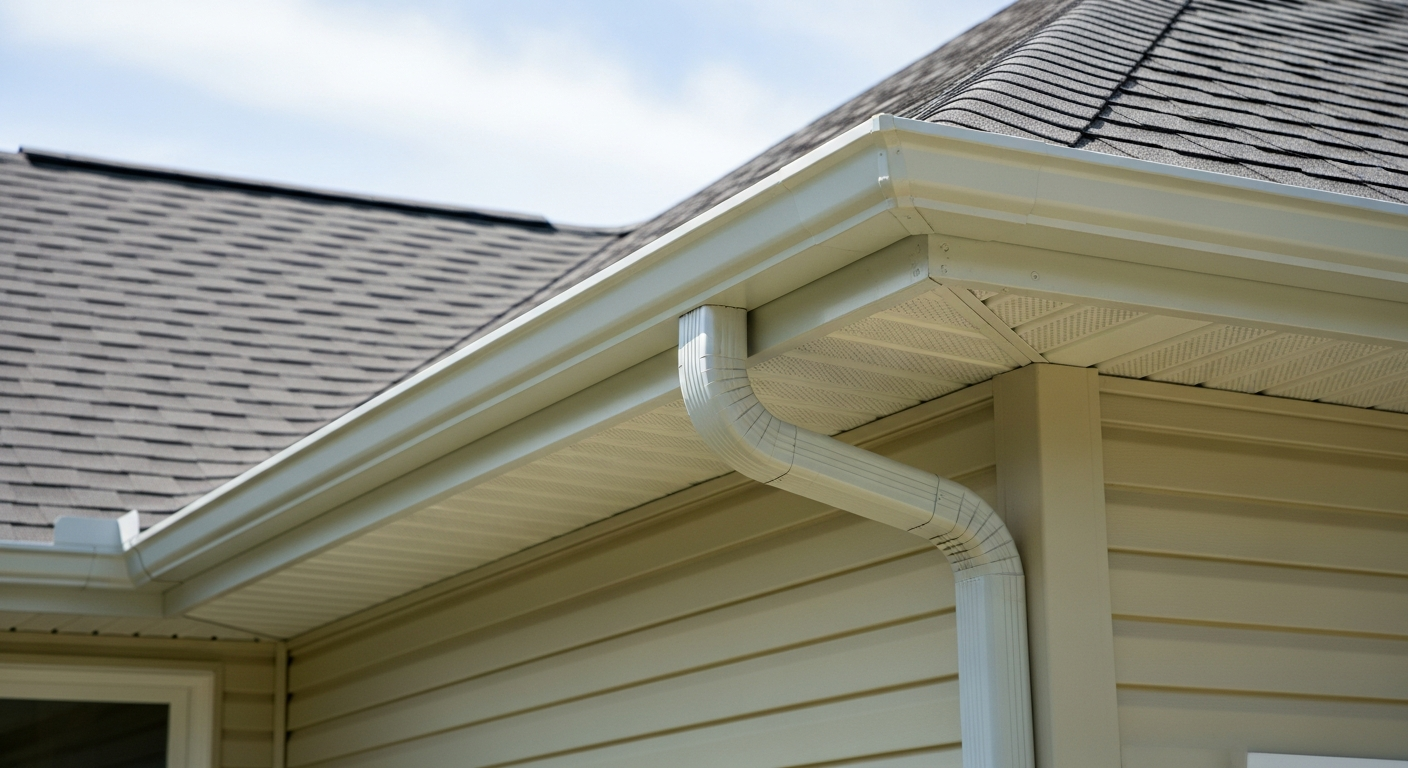
- Denting on gutters, downspouts, fascia, and AC condenser fins — these serve as supporting evidence of hail size
- Denting on window screens and garage doors
How to Tell If Your Roof Has Hail Damage Without Getting on It
While you should never walk your own roof after a storm, there are things you can check from the ground and from the attic:
- Walk around your home and examine gutters and downspouts for denting
- Check your window screens for small circular dents
- Look at your outdoor AC condenser — dented fins are a reliable sign of hail size
- Check your mailbox or any painted metal surfaces for impact marks
- In your attic, look for any daylight or moisture staining on the underside of decking
- Call STLBRC for a professional inspection — it's free and we'll tell you honestly what we find
Hail Size and Roof Damage Thresholds
Not every hailstorm causes insurable damage. Here's a general guide to hail size and typical roof impact:
- Under 1" (dime-sized): Typically cosmetic only, rarely causes shingle damage
- 1" (quarter-sized): Can cause granule loss on aging shingles; borderline for newer installations
- 1.5" (half-dollar sized): Causes measureable shingle damage on most asphalt shingles
- 1.75" (golf ball-sized): Significant damage; will qualify for insurance claim on virtually any roof
- 2"+ (baseball-sized or larger): Severe damage; potential complete roof failure and structural damage
The Impact-Resistant Shingle Solution
If your area has been hit by hail multiple times, consider upgrading to a Class 4 impact-resistant shingle during your next replacement. CertainTeed's Northgate® shingle has been tested to withstand the impact of 2" hailstones without cracking — a level of toughness standard shingles can't match. Many St. Louis area insurance carriers offer significant premium discounts for Class 4 roofs, often paying for the premium cost within 5–7 years through savings.
Can hail damage show up months later?
It can. Bruised shingles may lose granules and crack over following seasons. That is why a dated inspection soon after the storm helps. Policies often have deadlines for reporting damage, so check yours and do not wait for leaks.
What should you do right after a hailstorm?
Stay off the roof and start with photos from the ground.
- Photograph dents on gutters, downspouts and metal vents
- Note the storm date and approximate hail size if seen
- Check the attic and ceilings for new stains
- Keep any hailstone photos with a coin or ruler for scale
- Call for a professional inspection before signing anything
Should you sign with the first door knocker?
No. Take time to check any contractor's local address, references and insurance. A legitimate company will still be there next week. Never sign a contract that assigns your insurance benefits without reading it fully.
Do impact ratings stop all hail damage?
No. Very large hail can still damage impact-rated shingles. Ratings reduce risk; they do not remove it.
Do you need a roofer and an adjuster?
Often both help: the roofer documents damage, and the adjuster decides coverage.
- Write down the storm date and keep any local weather alert you received
- Ask the roofer for labeled photos of each damaged slope
- Read your policy deductible and reporting deadline before the adjuster visit