
Water damage restoration is the work of stopping a water source, removing water, drying the structure and replacing materials that cannot be safely saved.
Water damage is deceptive — what looks like a small leak can be rotting your framing and growing mold behind the walls. Here's how professional water damage restoration works and why speed matters.
Water is relentless. A burst pipe, a failed water heater, a storm-flooded basement, or a slow roof leak can all cause serious damage — and unlike fire, water damage often hides, spreading into framing, subfloors, and wall cavities where you can't see it. In Missouri, where older homes and heavy spring rains make basement water a common headache, knowing how restoration works helps you act fast and limit the harm. Here's the process and why time is everything.
Why Speed Matters So Much
With water damage, the clock is the enemy. Mold can begin growing within 24 to 48 hours of materials getting wet, and the longer water sits, the more it wicks into porous materials and the more it costs to fix. Acting quickly — extracting water and starting the drying process right away — is the single biggest factor in whether you're facing a manageable repair or a major reconstruction. This is why emergency response is the first phase of any water restoration.
Common Sources of Water Damage in St. Louis Homes
Water intrusion comes from many directions, and each calls for a different long-term fix:
- Burst or leaking pipes, especially frozen pipes in winter cold snaps
- Basement flooding from heavy rain and poor exterior drainage — very common in our area
- Failed sump pumps during storms
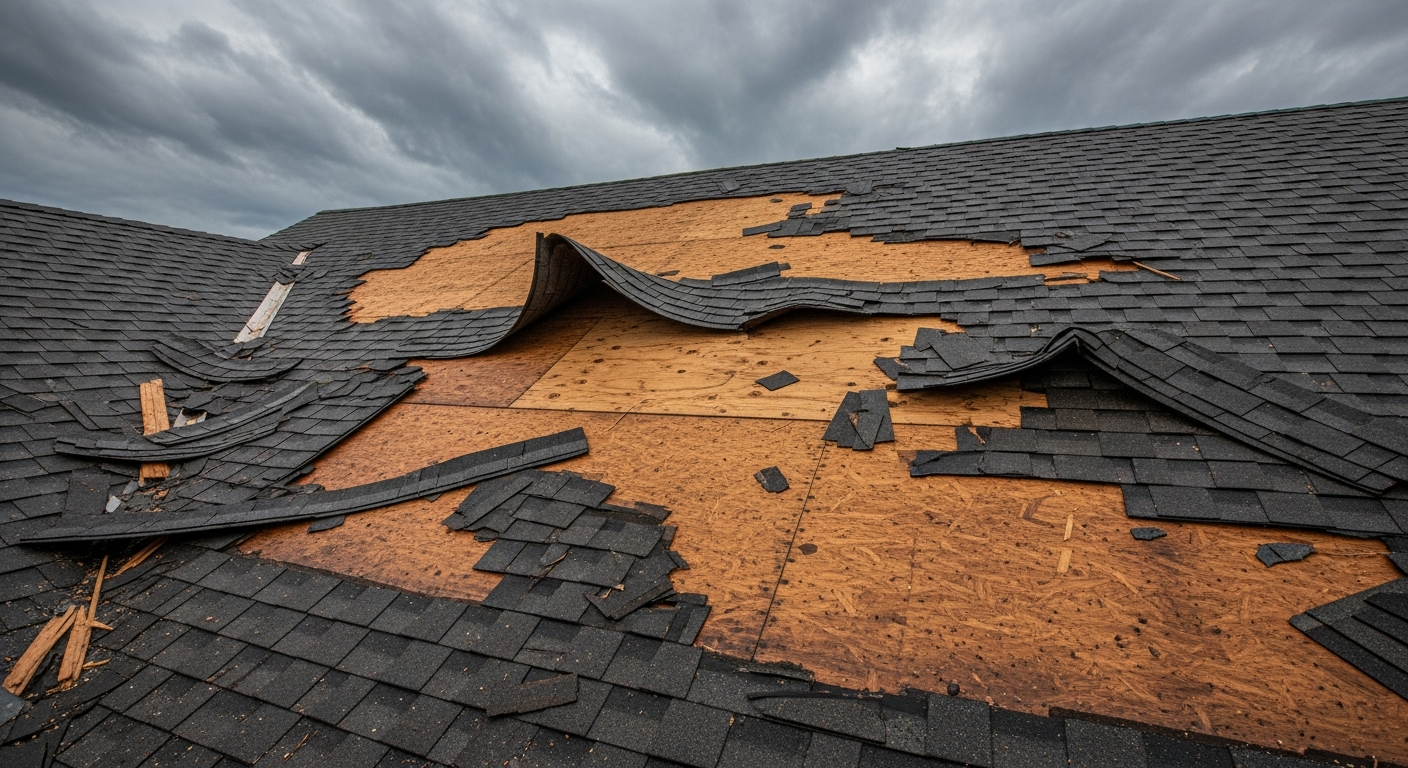
- Roof leaks that let water into the attic and down through ceilings
- Failed water heaters, washing machine hoses, and appliance connections
- Sewer backups after major storms
The Restoration Process, Step by Step
Professional water damage restoration follows a proven sequence:
- Assessment: identifying the water source, stopping it, and mapping how far the moisture has spread (often with moisture meters, since it travels farther than it looks)
- Water extraction: removing standing water quickly with pumps and extractors
- Drying and dehumidification: using air movers and dehumidifiers to pull moisture out of framing, subfloors, and wall cavities
- Removing unsalvageable materials: soaked drywall, insulation, and flooring that can't be dried are removed to prevent mold
- Cleaning and sanitizing: especially important with contaminated water from sewer backups or flooding
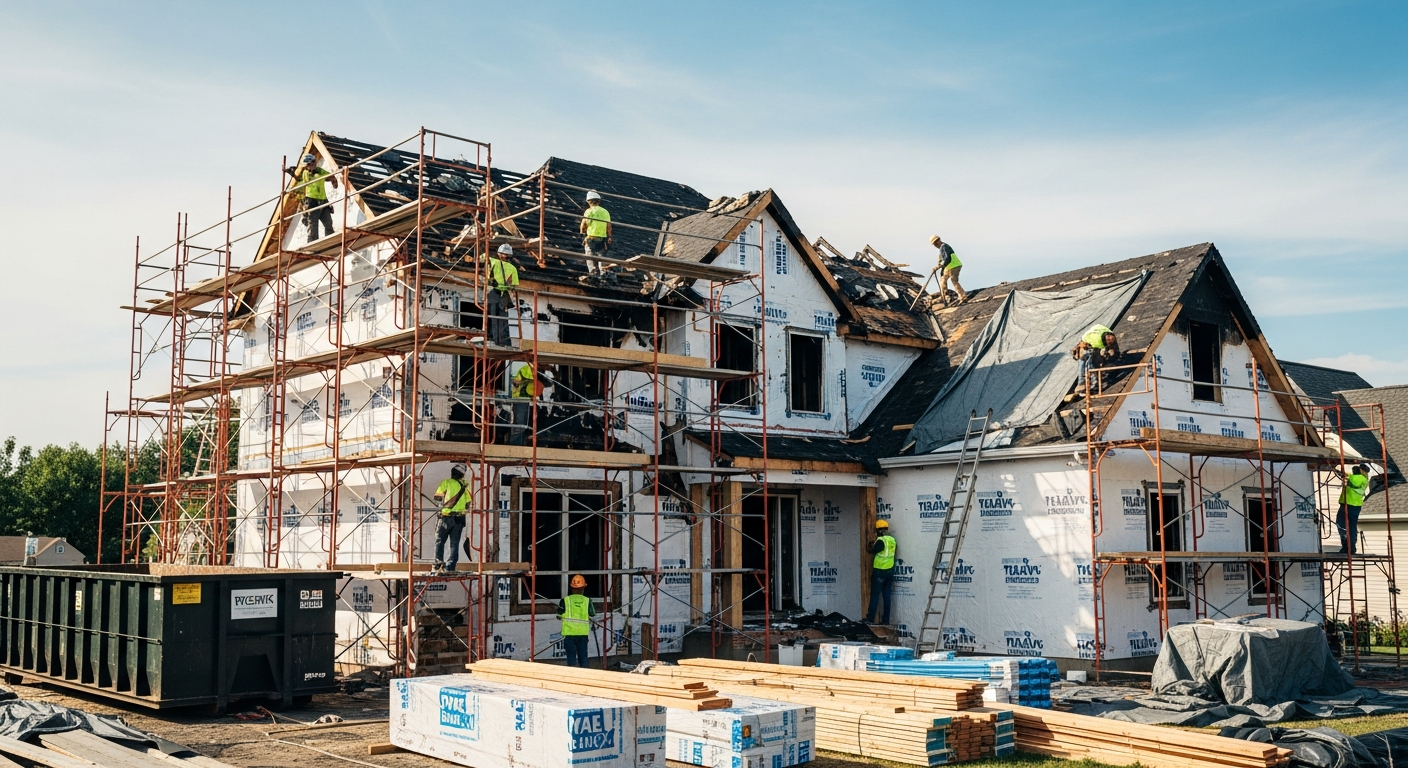
- Reconstruction: rebuilding and refinishing everything removed — drywall, flooring, trim, and paint
The Mold Connection
Mold is the hidden threat that makes water damage more than a cosmetic problem. It thrives in the damp, dark spaces water creates — inside walls, under floors, behind cabinets — and it can affect both your home's structure and your family's air quality. Thorough drying is the best mold prevention, which is why professional restoration emphasizes measuring moisture and drying completely before closing walls back up. Painting over a water stain without addressing the moisture behind it simply hides a growing problem.
One Team From Cleanup to Rebuild
Because we're a full-service building and remodeling company, we can take a water-damaged home all the way from extraction and drying through complete reconstruction — so you're not handing off between a cleanup crew and a separate contractor and hoping the details don't fall through the cracks. We serve homeowners throughout the St. Louis metro and work with your insurance on covered claims. If water is threatening your home, don't wait — call STLBRC at (636) 999-7663.
What should you do in the first hour?
Stop the source if you safely can, such as by closing the main water valve. Keep away from water near outlets or panels and call an electrician or the utility if needed. Move valuables to a dry area. Take photos before cleanup starts.
Does clean water and dirty water matter?
Yes. A burst supply line is different from sewage backup or floodwater. Contaminated water needs protective handling and removal of porous materials. Do not try to clean sewage or floodwater yourself. Tell your contractor what the source was so they plan the right response.
Is water damage covered by insurance?
It depends on the cause and your policy. Sudden pipe bursts are often treated differently than slow leaks or flooding. Flood coverage is typically a separate policy. Call your agent early and ask what applies to your situation.
How do you know a wall is truly dry?
Dry to the touch is not the same as dry inside. Drywall, framing and subfloors can hold moisture after surfaces feel dry. Restoration crews use moisture meters to check materials until readings reach normal levels. Closing walls too early can trap moisture and lead to mold and odor. Ask your contractor to share moisture readings before rebuilding starts. Keep those records with your claim file.
How do you lower the risk of the next leak?
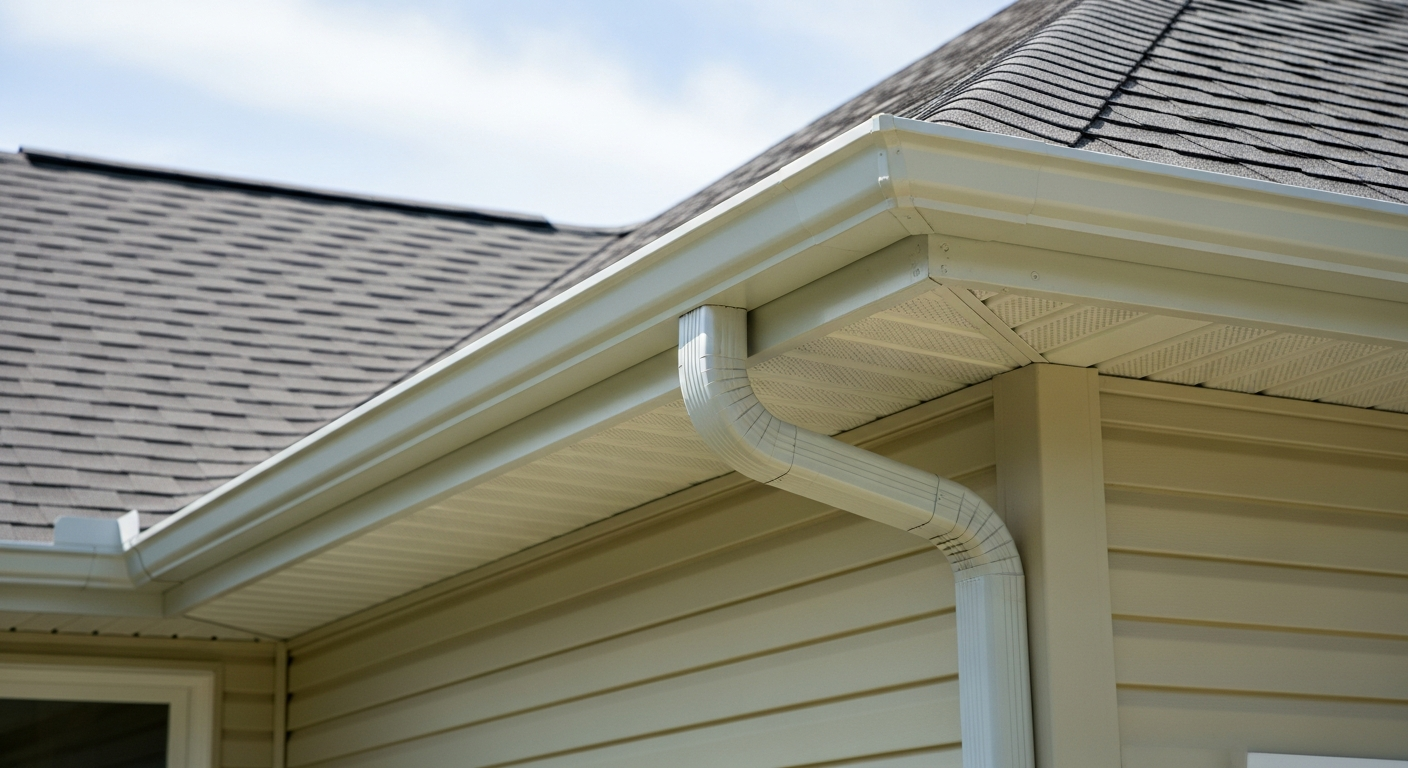
Know where your main water shutoff is and make sure it turns. Check hoses on washers and dishwashers for cracks or bulges. Keep gutters clear and downspouts pointed away. Insulate pipes in cold spaces before winter. Water leak sensors near water heaters and under sinks can give early warning.
- Test leak sensors a few times a year
- Replace rubber washer hoses with braided ones
- Know how to shut off the water heater supply