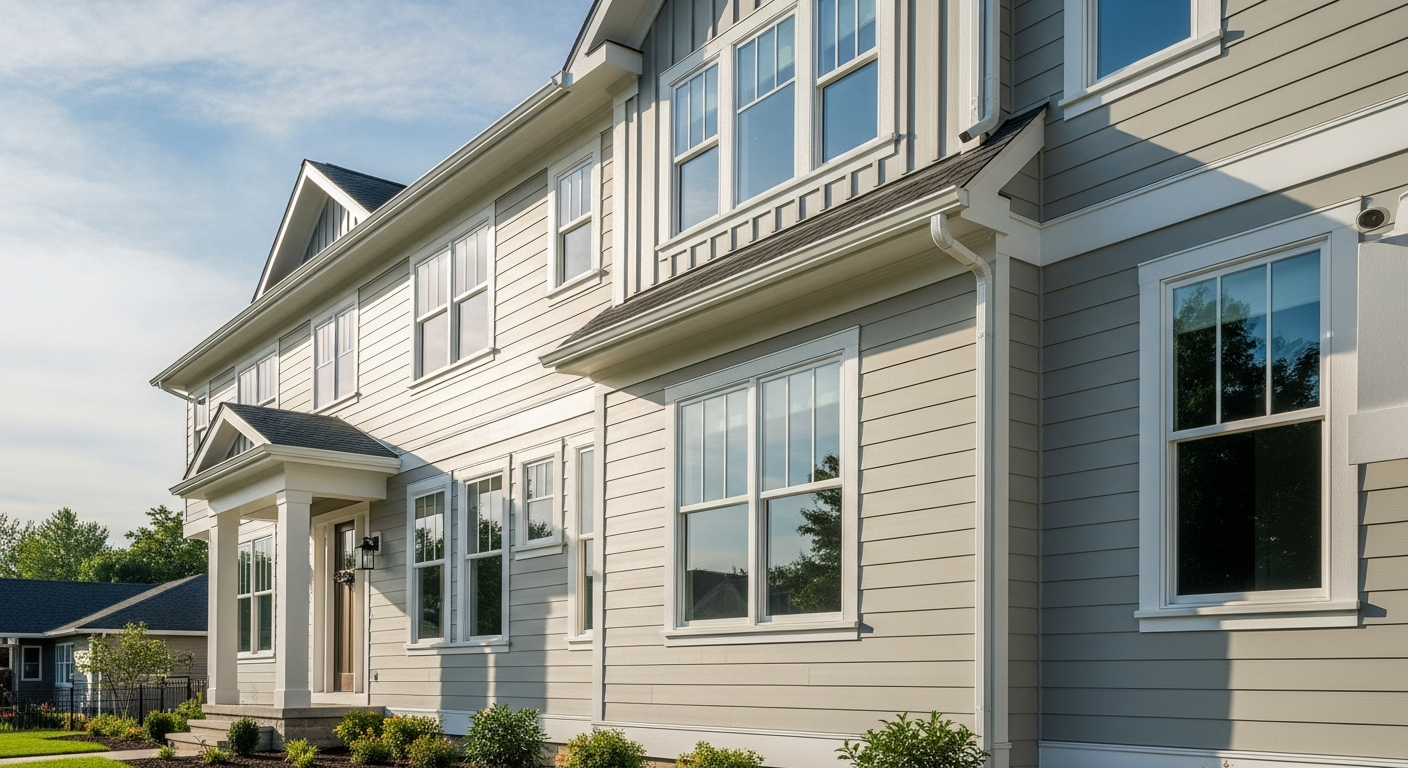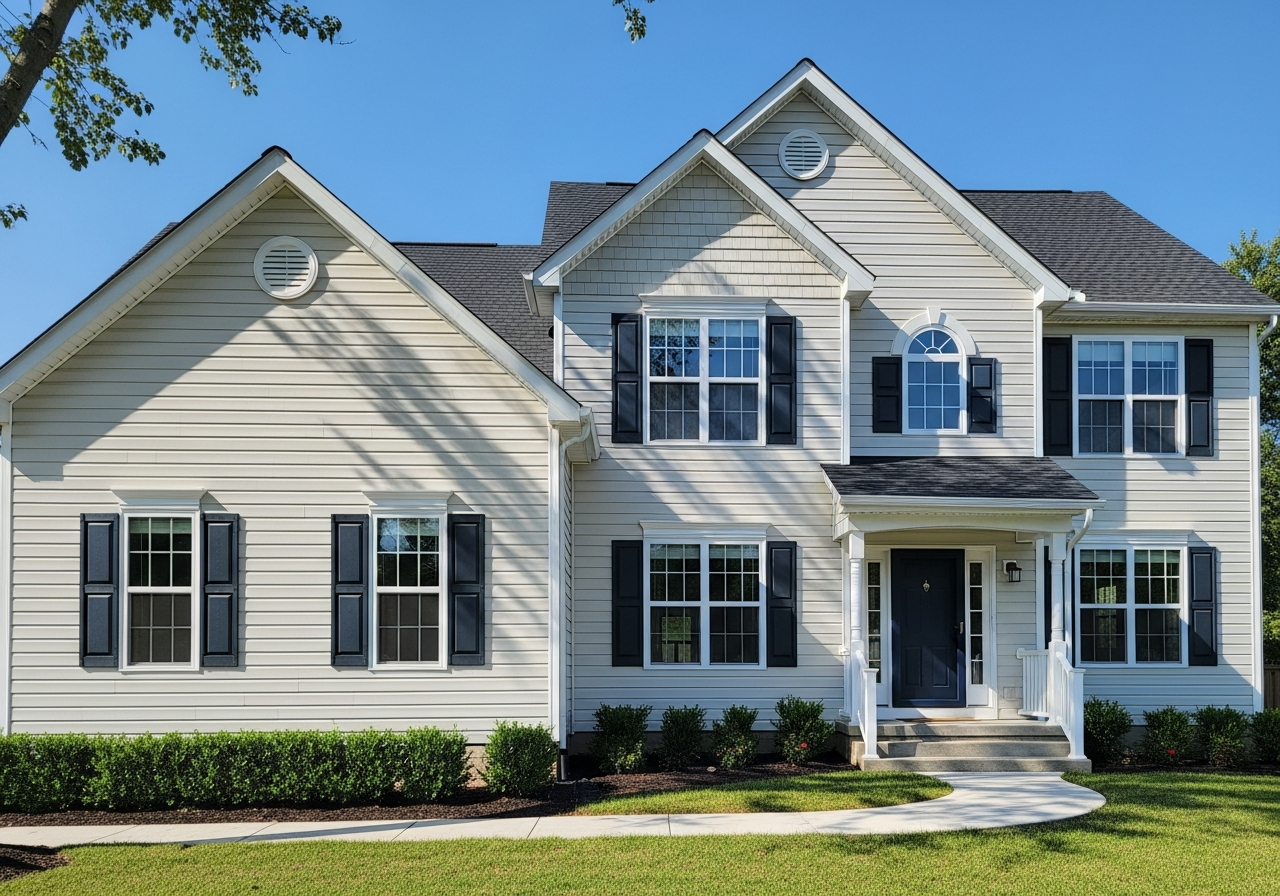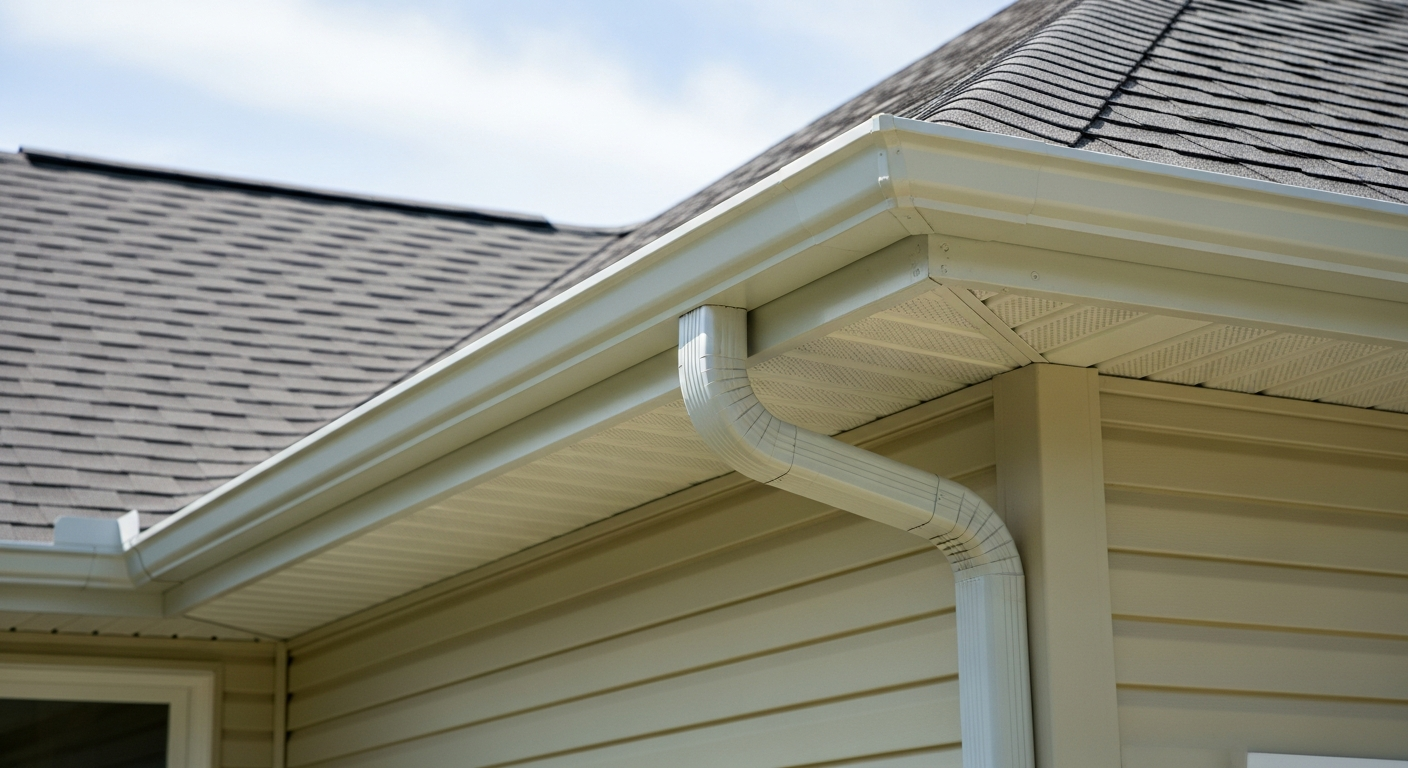

Insulated siding is vinyl siding with a contoured foam backing attached to each panel, which stiffens the panel and adds a layer of insulation over the wall.
Insulated vinyl siding closes the gap between budget-friendly and high-performance. Here's how CertainTeed CedarBoards works and whether the upgrade pays off for St. Louis homes.
Vinyl siding has come a long way, and one of the biggest advances is insulated vinyl — siding with rigid foam permanently fused to the back of each panel. CertainTeed's CedarBoards is a leading example, and it's a popular upgrade among St. Louis homeowners who want vinyl's low maintenance and affordability with meaningfully better performance. Here's what insulated siding does and whether it's worth the step up from standard vinyl.
How Insulated Siding Works
Standard vinyl siding is hollow behind the panel, which leaves air gaps and lets the panels flex. Insulated siding fills that space with contoured rigid foam bonded directly to the panel. That foam does three things at once: it adds a layer of continuous insulation across the wall, it makes the panel far more rigid and solid, and it helps the siding lie flatter and straighter against the home. CedarBoards specifically is designed to mimic the look of natural cedar with a realistic woodgrain texture.
The Real Benefits for St. Louis Homes
In our climate of hot summers and cold winters, the advantages add up:
- Energy efficiency: the continuous foam layer reduces thermal bridging through wall studs, helping keep conditioned air in and cutting energy waste
- A more solid feel: the backed panels resist the hollow 'tap' and flex of standard vinyl, and stand up better to impact
- Straighter appearance: the rigid backing helps the siding lie flat and hide minor wall imperfections
- Noise reduction: the foam dampens outside sound noticeably
- Low maintenance: all the easy-care benefits of vinyl — no painting, easy cleaning
Insulated vs. Standard Vinyl: Is the Upgrade Worth It?
Insulated siding costs more than standard vinyl, so the question is whether the benefits justify it. For most homeowners, the appeal isn't a dramatic overnight energy bill drop — it's the combination of modest ongoing energy savings, a much more premium look and feel, better durability, and quieter interiors, all for a moderate premium over hollow vinyl. If you're already replacing your siding and plan to stay in the home, the upgrade often makes sense. If you're preparing to sell quickly and just need fresh curb appeal, standard vinyl may be the more economical choice.
Where It Fits in the Siding Lineup
Think of insulated vinyl as the sweet spot for value-minded homeowners: a clear step up from basic vinyl in looks and performance, at a price still well below premium fiber cement or engineered wood. If you love the idea of James Hardie or LP SmartSide but the budget is tight, insulated vinyl like CedarBoards is a smart middle path that still delivers great curb appeal and low maintenance. We install the full range and can show you samples side by side so you can feel the difference. Call STLBRC at (636) 999-7663 for a free consultation anywhere in the St. Louis area.
Does insulated siding replace wall insulation?
No. It adds a layer outside the studs, but it does not fill empty wall cavities. If your walls have little or no insulation, that is a separate project. Insulated siding still helps by reducing heat loss through studs, which batts cannot cover.
Does it trap moisture against the wall?
It should not when installed over a proper water-resistive barrier with correct flashing. Water that gets behind siding needs a path to drain. Ask how windows and doors will be flashed and where house wrap seams will lap. These details matter more than the foam itself.
Is it a good fit for older homes?
It can be, especially where walls are slightly uneven. The stiffer panels can bridge minor waves better than thin vinyl. Severe bowing or rot still needs repair first. Ask for a wall check before panels go on.
What should you ask before choosing it?
Ask which exposure and texture are being quoted, and whether trim is included. Ask how outlets, hose bibs and lights will be trimmed out. Confirm which warranty applies and who registers it.
How does insulated siding compare with adding foam board?
Both add insulation outside the wall framing, but they are installed differently. Foam board is a separate layer fastened across the whole wall before siding. Insulated siding attaches the foam to each panel, so it is installed in one step. Separate foam board can provide continuous coverage, but it changes window and door trim depths. That can mean extending jambs and reworking flashing. Insulated siding usually keeps trim details simpler on a typical re-side. The right choice depends on your goals, budget and how much trim work you will accept. Ask your contractor to explain how either option affects windows, doors and the drainage plane behind the siding. Request the product's published thermal rating in writing rather than a verbal estimate.
Can it be painted later?
Ask the manufacturer's guidance first, since painting vinyl has color limits.
- Darker paint over lighter vinyl can cause warping in sun
- Use only paint rated for vinyl if painting is allowed
- Check whether painting affects the warranty