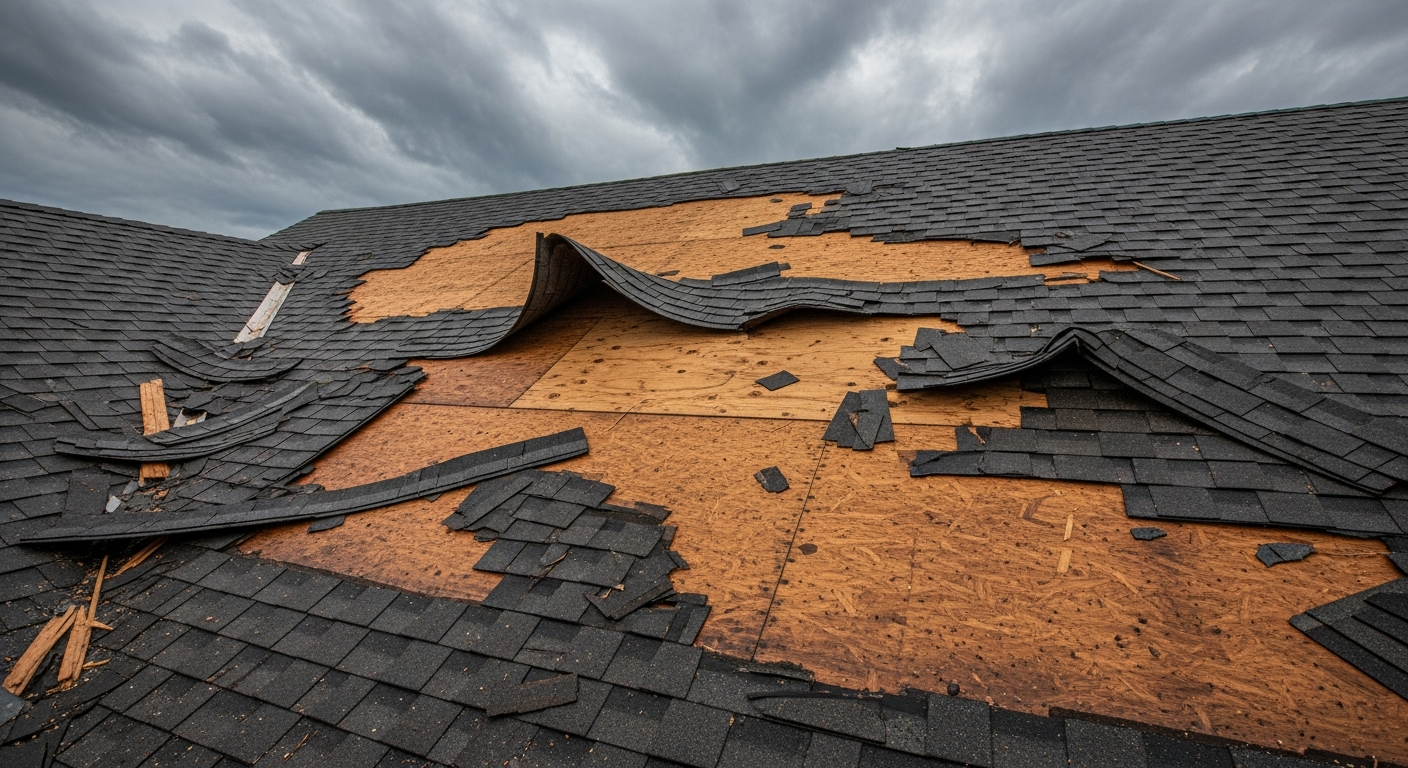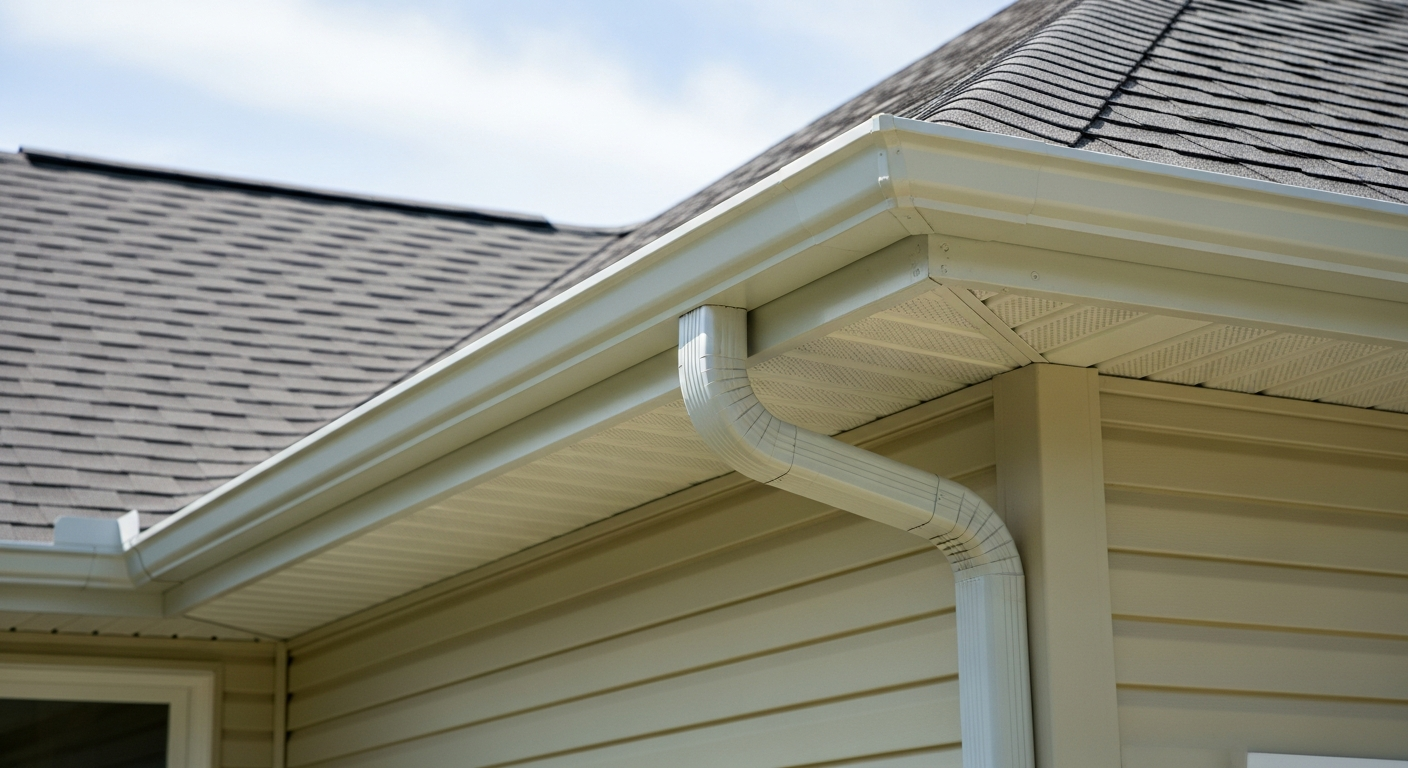

Exterior hail damage is any dent, crack, chip or split that hail leaves on siding, gutters, trim, screens and outdoor equipment beyond the roof itself.
After a hailstorm, everyone checks the roof — and then stops. But hail damages siding, gutters, and more, and missing it can leave money on the table when you file a claim. Here's what to look for.
When hail hammers the St. Louis area — as it does most spring seasons — homeowners rightly worry about the roof. But hail is an equal-opportunity destroyer, and the damage to siding, gutters, and other exterior surfaces often gets overlooked. That's a costly oversight, both because unaddressed damage worsens over time and because a hail claim should cover all the damage, not just the roof. Here's what many Missouri homeowners miss.
Hail Damage to Siding
Siding takes a real beating in a hailstorm, and the signs aren't always obvious from the ground. Look closely, especially on the sides of the house that faced the storm, for:
- Cracks, chips, or holes in vinyl siding — vinyl becomes brittle in cold and can crack on impact
- Dents and dings in aluminum or metal siding and trim
- Chipped or gouged paint and finish on fiber cement or wood
- Damage concentrated on one or two elevations (hail is usually wind-driven from one direction)
Hail Damage to Gutters and Downspouts
Gutters are one of the clearest places to confirm a storm's severity, because soft aluminum shows dents readily. Check the tops and faces of gutters and the downspouts for dimpling and dents. Because gutter damage is so visible and easy to date to a specific storm, adjusters often use it as corroborating evidence of a hail event — which helps validate the less-visible roof damage. Beyond cosmetics, dented gutters can develop leaks and drainage problems over time.
The Surfaces Everyone Forgets
A thorough hail inspection goes beyond roof, siding, and gutters. Damage frequently shows up on:
- Window screens, wraps, and sills
- Garage doors, which dent easily
- Air conditioner condenser units (the fins bend and flatten)
- Decks, fences, and outdoor fixtures
- Painted or metal trim, fascia, and soffit
Why Catching All of It Matters for Your Claim
A homeowner's hail claim is meant to make you whole — to cover the storm's damage across your property, not just the most obvious part. When siding, gutters, and other surfaces are missed, homeowners either pay out of pocket later or live with damage that quietly worsens. Cracked siding lets moisture in behind the wall; dented gutters develop leaks. Documenting the full scope during the claim, while it's clearly tied to the storm, is far easier than trying to address it piecemeal months later.
Get a Complete Storm Assessment
Because so much hail damage is subtle, a trained eye matters. We provide thorough, whole-home storm assessments across the St. Louis metro — roof, siding, gutters, and every exterior surface — and we can meet your insurance adjuster on-site to make sure nothing legitimate is overlooked. If a hailstorm has rolled through Pacific, Eureka, Chesterfield, or anywhere in the area, call STLBRC at (636) 999-7663 for an honest, complete inspection.
How do you spot hail marks on siding?
Look at an angle with the sun low, early or late in the day. Cracks and holes show more clearly from the side. Vinyl may crack or punch through. Painted siding can show chips or dented spots, often heaviest on the storm-facing wall.
What gets missed most often?
Small items are easy to overlook in an adjuster visit.
- Window screens and wraps
- Soffit vents and fascia metal
- Downspout elbows near the ground
- Light fixtures and mailboxes
- Fences, sheds and deck furniture
- Air conditioner condenser fins
Can siding be matched after hail damage?
Sometimes, but older colors and profiles may be discontinued. That makes patching one wall hard to blend. How insurers handle matching depends on your policy and claim. Ask your contractor to document the color and profile clearly.
Should cosmetic dents still be documented?
Yes. Document every dent even if it looks minor. Your policy determines what is covered, not the contractor. A full record avoids missed items later.
How should you photograph exterior hail damage?
Good photos make the difference between a remembered dent and a documented one. Work wall by wall so nothing is skipped. Start with a wide shot of each side of the house, then move closer. Put a coin, tape measure or ruler beside each dent or crack for scale. Use chalk to circle small marks before photographing them. Take pictures in the morning or late afternoon, when low light shows dents best. Save the files in a folder named with the storm date. Do not climb ladders onto the roof to get shots. Ground-level and window photos are enough for a first record.
- One wide photo per wall, labeled by direction
- Close-ups with a scale reference
- Gutters, downspouts and metal trim on every side
- Outdoor equipment, fences and screens
Should you repair before the adjuster visits?
Hold off on permanent repairs until damage is documented. Temporary steps to stop water may be needed first.
- Keep receipts for any temporary tarps or boarding
- Take photos of temporary work before and after
- Tell your adjuster about every damaged exterior item, not just the roof