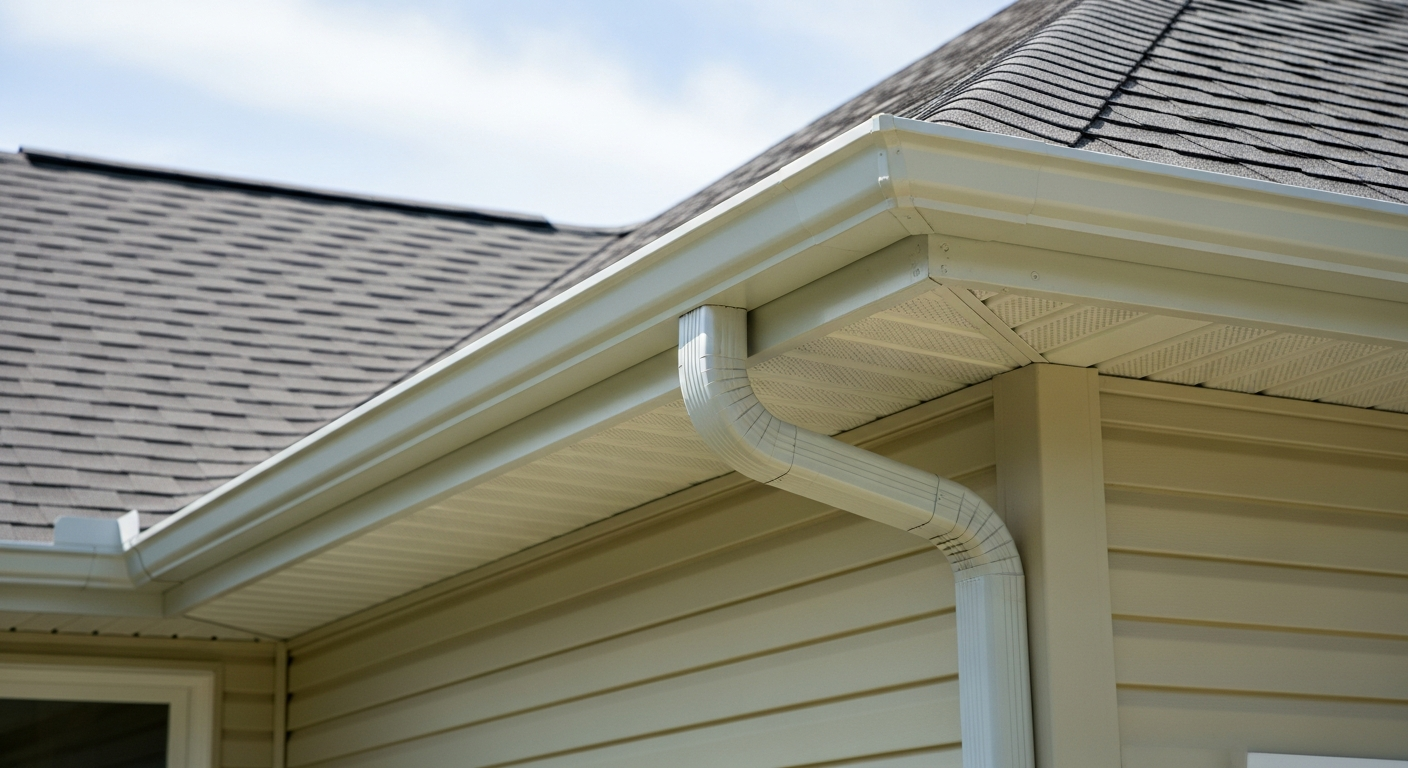

Gutter failure is when the system can no longer collect and carry rain away, whether from clogging, sagging, leaking seams or simply being undersized.
Failing gutters cause some of the most expensive water damage a home can suffer — yet the warning signs are easy to spot if you know what to look for. Here are seven to watch for.
Because gutters sit out of sight and out of mind, most homeowners don't think about them until water is already causing damage. But gutters give plenty of warning before they fail completely — you just have to know what to look for. Catching these signs early lets you repair or replace on your schedule, not in a panic during the next downpour. Here are seven signs it's time to act, drawn from what we see on homes across the St. Louis area.
1. Water Overflows the Edges When It Rains
If you see water sheeting over the front of the gutters during a rain, they're either clogged, undersized, or improperly pitched. Overflow means water is running down your siding and pooling at the foundation instead of draining away — exactly what gutters exist to prevent. If cleaning doesn't fix it, the system itself is the problem.
2. Sagging or Pulling Away From the House
Gutters should sit tight and level (with a slight pitch) against the fascia. When you see them sagging in the middle or pulling away from the house, the weight of debris, standing water, or failing fasteners has overwhelmed them. Sagging gutters don't drain properly and can tear away entirely in a storm.
3. Cracks, Splits, and Rust
Inspect the gutters and downspouts for cracks, splits at the seams, holes, or rust spots. Small cracks grow quickly under Missouri's freeze-thaw cycles, and any breach lets water escape right where you don't want it — against the fascia and foundation. Widespread cracking or rust usually means the system is at the end of its life.
4. Peeling Paint or Water Stains on the Fascia and Siding
Streaks, stains, or peeling paint on the boards behind and below the gutters are a telltale sign water is escaping and running where it shouldn't. Over time this leads to rotted fascia and soffit — a repair far more expensive than the gutters themselves.
5. Pooling Water or a Wet Basement
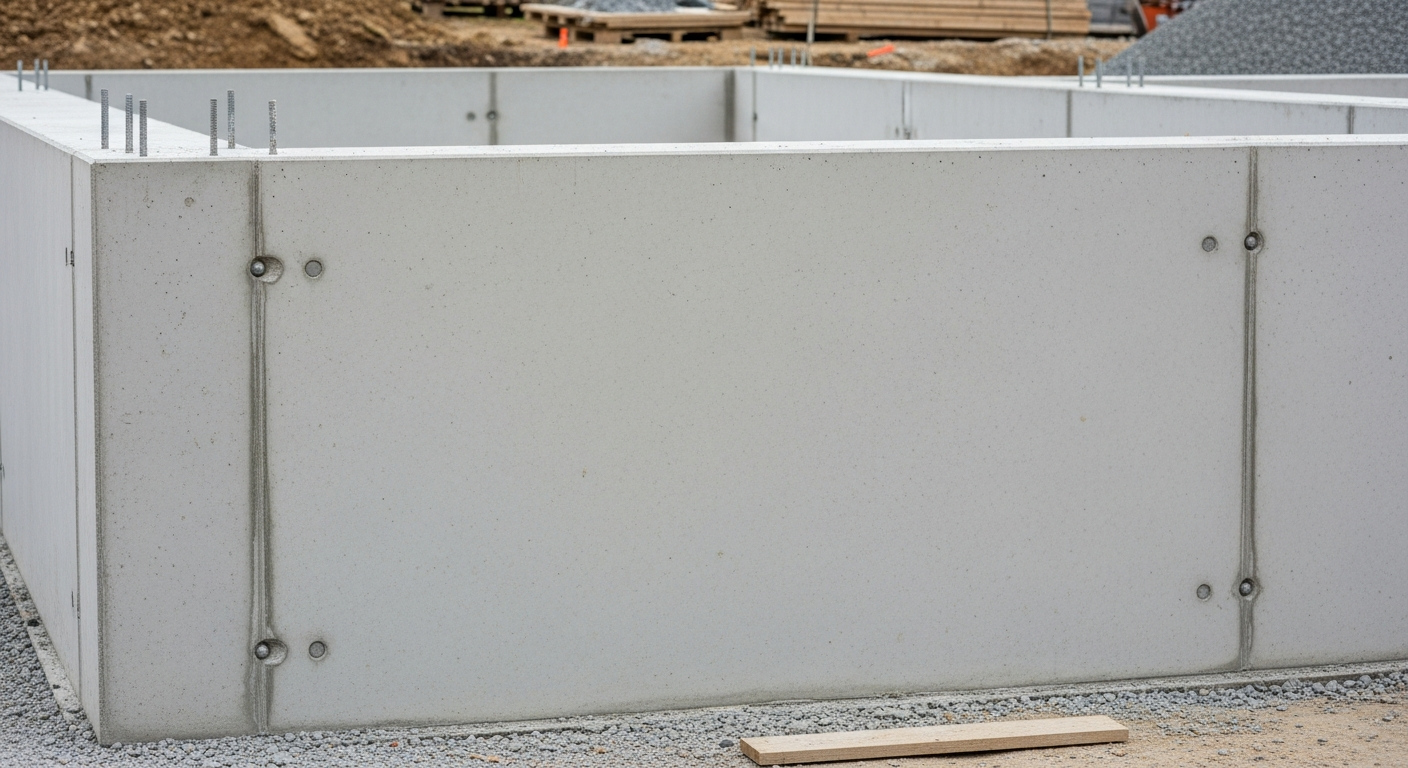
Water collecting around the foundation after rain, or a basement that gets damp during storms, often traces back to gutters that aren't carrying water far enough away. In St. Louis, with our clay soils and many older homes, foundation water problems are common and expensive — and they frequently start with failed or poorly draining gutters.
6. Eroded Landscaping and Washed-Out Beds
If the mulch and soil beneath your roofline are constantly washing out, or you see channels cut into the ground below the eaves, water is spilling over the gutters instead of moving through them. It's a visible sign your drainage isn't doing its job.
7. They're Simply Old or Full of Seams
Older sectional gutters with many seams leak more as they age, and no amount of resealing keeps up forever. If your gutters are decades old, leak at multiple joints, or you're cleaning and patching them constantly, replacing them with seamless gutters is usually more economical than continued repairs. If you're seeing any of these signs, have your system evaluated before the next big storm. Call STLBRC at (636) 999-7663 for a free gutter inspection anywhere in the St. Louis metro.
Is it a gutter problem or a clog?
Check for a clog first, since it is the cheapest fix. Overflow in one spot after a fall leaf drop often means debris. Overflow along the whole run in heavy rain may mean the gutter is undersized. Sagging or separating sections point to failing hangers or rotted fascia.
Can old gutters be repaired instead?
Short leaks at seams can often be resealed. Loose sections can be refastened if the fascia is sound. Repair stops making sense when leaks keep returning or rust runs through the metal. At that point, money spent on patches goes to a failing system.
What should you check after a storm?
Look from the ground for dents, bent downspouts and sections pulled away. Dented gutters can be useful hail evidence for an insurance claim. Take dated photos before anything is repaired. Do not climb on the roof to look.
Should fascia be checked at the same time?
Yes. Leaking gutters often rot the fascia board behind them. New gutters on soft fascia will pull loose again. Ask the installer to probe the fascia and price any replacement before work starts.
What gutter material should replace the old one?
Seamless aluminum is the common choice for homes in our area. It resists rust and can be formed on site to fit each run. Steel and copper are options for specific needs or historic looks. Ask about gutter size and downspout count, not just material.
How long does gutter replacement take?
Many homes can be done in a short visit once materials are ready, though fascia repair adds time. Ask whether old gutters will be hauled away and whether downspout extensions are included. Clear a path along the house walls before the crew arrives. Move cars from the driveway and keep pets inside during the work.
- Ask whether old hangers will be removed
- Confirm downspout extension lengths
- Check the first heavy rain for overflow