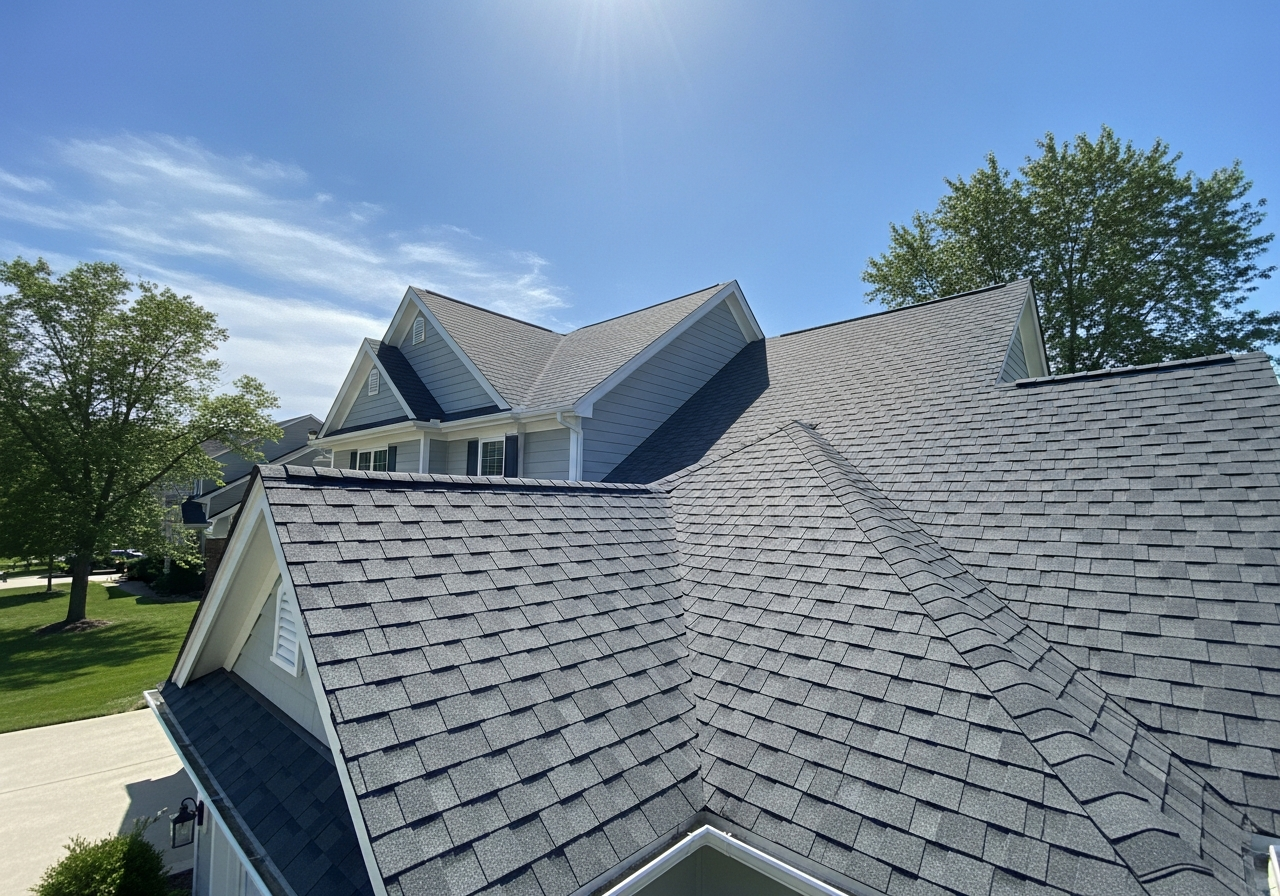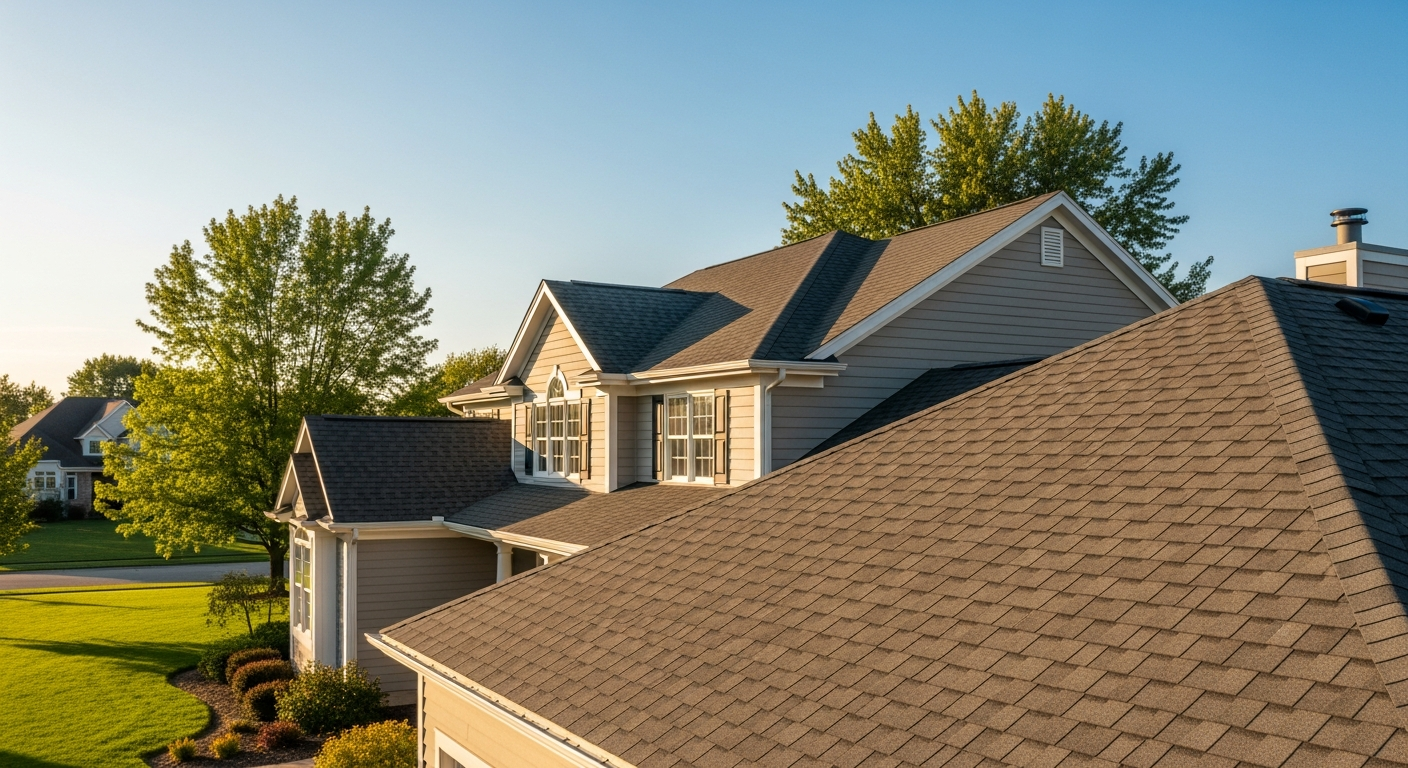

Attic ventilation is the balanced flow of outside air in through low intake vents and out through high exhaust vents to remove heat and moisture from the attic.
It's the roofing detail almost no one thinks about — until their shingles fail years early or their upstairs is unbearable in July. Here's why attic ventilation quietly determines how long your roof lasts.
When homeowners plan a new roof, they think about shingle color, brand, and price. Almost no one asks about ventilation — and yet poor attic ventilation is one of the most common reasons roofs in the St. Louis area fail before their time. It cooks shingles from underneath, traps moisture that rots the deck, and can even void your shingle warranty. Understanding how it works will help you protect the investment you're about to make.
How Roof Ventilation Actually Works
A properly vented roof is a simple, continuous airflow system. Cool air enters low, through intake vents in the soffits under the eaves. As that air warms, it rises and exits high, through exhaust vents near the ridge. This constant, passive circulation keeps the attic close to the outdoor temperature and flushes out moisture. The key is balance: you need roughly equal intake and exhaust. A ridge vent with no soffit intake, or blocked soffits, breaks the system — a mistake we see constantly on older St. Louis homes.
What Happens Without It — Summer
Missouri summers are punishing, and an under-ventilated attic can hit 150°F or more. That trapped heat does real damage:
- It bakes your shingles from below, aging them prematurely and shortening their lifespan by years
- It radiates down into your living space, making upstairs rooms hot and overworking your air conditioner
- It drives up cooling bills all summer long
- It can void manufacturer warranties, many of which require adequate ventilation to stay valid
What Happens Without It — Winter
Cold weather brings the opposite but equally destructive problem: moisture. Everyday activities like showering, cooking, and running a humidifier push warm, moist air up into the attic. Without ventilation to carry it away, that moisture condenses on the cold underside of the roof deck. Over time it causes wood rot, mold growth, and soggy, ineffective insulation. Trapped heat in the attic also melts roof snow unevenly, which is a leading cause of the ice dams that plague Missouri homes each winter.
Signs Your Attic Ventilation Is Failing
You can often spot a ventilation problem before it becomes expensive. Watch for:
- An upstairs that's noticeably hotter than the rest of the house in summer
- Ice dams and heavy icicles along the eaves in winter
- A musty smell, visible mold, or frost on the underside of the roof deck
- Rusted nails poking through the decking in the attic (a sign of condensation)
- Shingles that curled or deteriorated well before their expected lifespan
- Unusually high heating and cooling bills
The Right Ventilation Setup for St. Louis Homes
For most homes in our area, the gold standard is a balanced system of continuous soffit intake vents paired with a continuous ridge vent along the peak. This provides even, whole-attic airflow with no moving parts to fail. Where a home's roof design doesn't allow a full ridge vent, we use a combination of static vents, gable vents, or powered options to achieve the same balance. What matters is that intake and exhaust are matched and unobstructed — insulation baffles at the eaves keep the soffit intake clear even when attic insulation is thick.
Fix It During Your Roof Replacement
The best and most cost-effective time to correct attic ventilation is when you're already replacing the roof — the deck is exposed, the crew is on site, and ridge and soffit venting can be installed as part of the job for a fraction of what a standalone project would cost. This is one reason we evaluate ventilation on every roof we quote. If your upstairs is miserable in summer, you battle ice dams every winter, or your last roof didn't last as long as it should have, ventilation is likely part of the story. Call STLBRC at (636) 999-7663 and we'll assess your whole roof system, airflow included.
Why should you not mix exhaust vent types?
Two exhaust types on one roof can short-circuit each other. For example, a powered fan can pull air from a nearby ridge vent instead of the soffits. The attic then stays hot and damp despite having vents. A contractor should choose one main exhaust strategy and pair it with enough intake.
Can bathroom fans vent into the attic?
They should not. A bath fan dumping warm, wet air into the attic feeds frost in winter and mold risk year round. Each fan should be ducted to the outside through a proper roof or wall cap. Check this during any roof replacement while the deck is open.
Does blocked soffit insulation matter?
Yes. Blown-in insulation can bury soffit vents, cutting off intake. Baffles at the eaves keep a clear air channel above the insulation. If your soffits look vented but the attic still overheats, blocked intake is a common cause worth checking.
Who should change roof vents?
A roofing contractor should. Vent changes mean cutting into the roof deck.