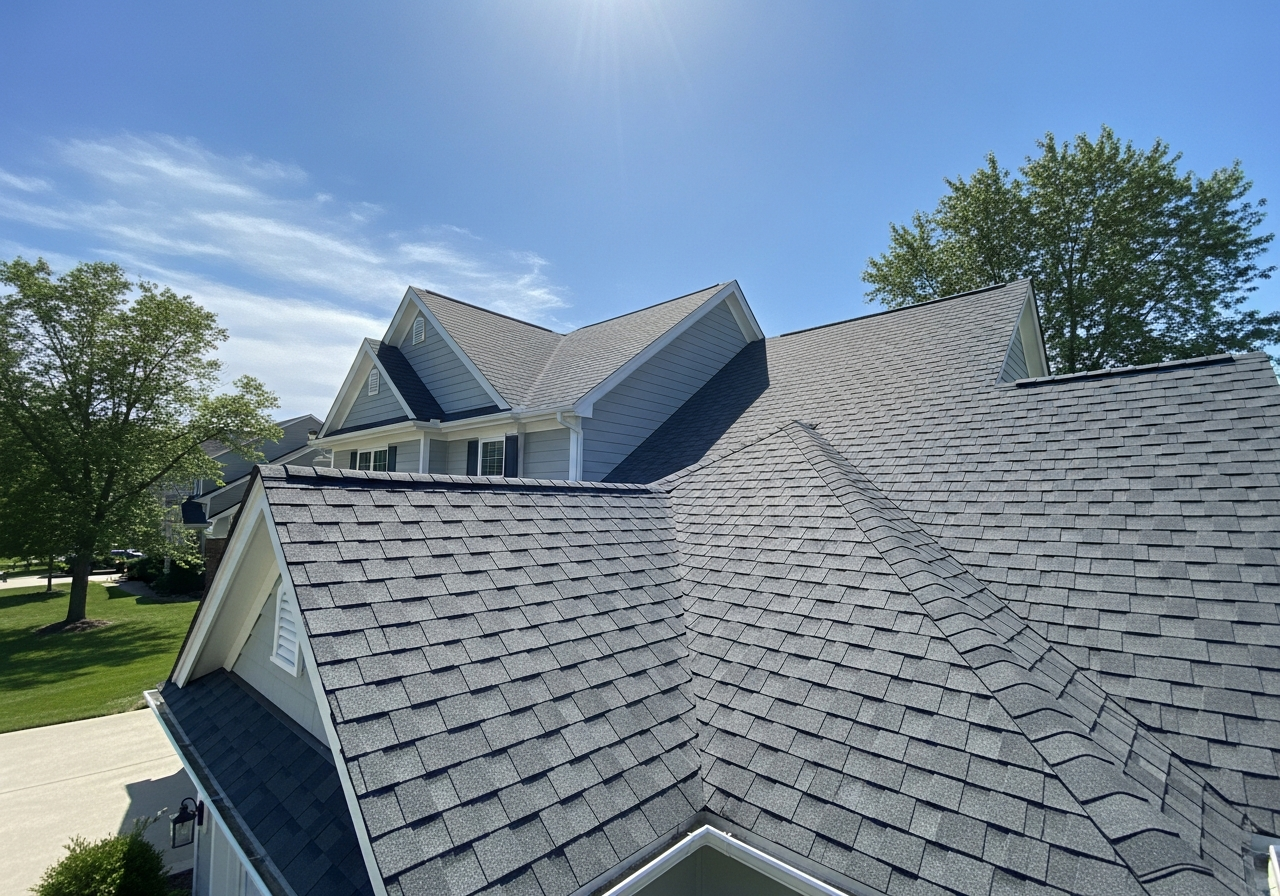

A roofing contractor is the company responsible for tearing off, installing and warrantying your roof, so its paperwork matters as much as its price.
Your roof is your home's first defense against the elements. Choosing the wrong contractor can cost you far more than you save. Here's how to find a contractor you can trust in the St. Louis area.
Why the Contractor Matters as Much as the Material
Even the best roofing material in the world will fail if it's installed incorrectly. Improper nailing, wrong overlaps, inadequate ventilation, and poor flashing work are the root causes of the vast majority of roofing failures — not material defects. This is why who installs your roof matters at least as much as what they install. The following criteria will help you separate qualified professionals from the storm chasers and cut-rate operators.
Verify Proper Licensing and Insurance
This is non-negotiable. Before any contractor steps foot on your property:
- Verify they hold a valid contractor's license for the State of Missouri
- Request a copy of their Certificate of Insurance showing general liability coverage (minimum $1 million) and workers' compensation
- Call the insurance company to verify the policy is active — certificates can be forged
- Confirm they have workers' comp — if a worker is injured on your property and the contractor doesn't have it, you may be liable
Look for Local, Established Companies
Storm chasers are contractors from out of state who descend on storm-damaged areas after major weather events. They promise fast work and low prices, take your deposit, do shoddy work, and are impossible to find when issues arise six months later. Signs of a legitimate local contractor:
- Physical office address in the St. Louis metro area — verify it's real
- Has been in business at least 5 years at the same location
- Has a local phone number and answers it (not just an answering service)
- Has verifiable reviews on Google and other platforms spanning multiple years
- Is known in the community and can provide local references
Manufacturer Certification Matters
Leading roofing material manufacturers like CertainTeed have certified installer programs that require contractors to complete training, maintain quality standards, and meet minimum installation volume requirements. Certified installers can offer higher levels of manufacturer warranty coverage that non-certified installers cannot. At STLBRC, we are a CertainTeed certified installer — meaning our customers receive the full SureStart PLUS™ warranty rather than a reduced, uncertified installer's warranty.
Get Multiple Detailed Written Estimates
Never accept a verbal estimate or a single-line-item bid. A legitimate contractor will provide a detailed written proposal that specifies:
- Exact materials with manufacturer name, product line, and color
- Number of layers being removed
- Underlayment type and brand
- Ice and water barrier scope
- Ventilation plan
- Warranty terms — both workmanship and manufacturer
- Start date and estimated completion timeline
- Payment schedule (never pay more than 10–15% upfront)
- Permit responsibility
Red Flags to Watch For
These are warning signs that should make you pause before signing anything:
- Pressure to sign immediately or the price goes up — this is a high-pressure sales tactic
- Offering to waive or pay your insurance deductible — this is insurance fraud in Missouri
- Requesting large upfront payment (more than 15–20%)
- No physical address or local presence
- Can't provide references for recent local work
- Offers a price dramatically lower than all other bids
- No written contract or won't provide one
- No manufacturer certification
Ask These Questions Before Signing
Use these questions in your contractor conversations to quickly assess their professionalism:
- Are you licensed and insured in Missouri? Can you provide certificates today?
- Are you a certified installer for the materials you're recommending?
- What warranty do I receive — workmanship and manufacturer? In writing?
- Who are your crew members — employees or subcontractors?
- Will you pull the permit if one is required?
- How do you handle unforeseen issues like rotten decking?
- Can you provide references from jobs completed in the last 6 months?
- What is your process if I have an issue after the job is complete?
Why St. Louis Homeowners Choose STLBRC
St. Louis Building & Remodeling Company was built on the simple belief that homeowners deserve honest contractors who do excellent work and stand behind it. We're locally owned, fully licensed and insured, CertainTeed certified, and back every installation with our Lifetime Workmanship Guarantee. We don't chase storms, use high-pressure sales, or cut corners on materials or installation. Call us at (636) 999-7663 for a free, honest assessment of your roofing needs.
How do you compare two estimates fairly?
Put them side by side line by line, not total to total. Check that both name the same shingle line, underlayment, ice barrier areas and ventilation plan. Look for a stated price for replacing rotted decking. A quote without that line can grow once the old roof is off.
- Same product names and colors on both quotes
- Who pulls the permit, if one is required
- How flashing at walls and chimneys is handled: new or reused
- Written start window and cleanup terms
- Which warranty is registered, and by whom
What payment terms are reasonable?
Terms should be in writing and tied to clear milestones. Be cautious with any request for full payment before work starts. Never sign over an insurance check before the work it covers is complete. If a contract term is unclear, ask for it to be rewritten before you sign.