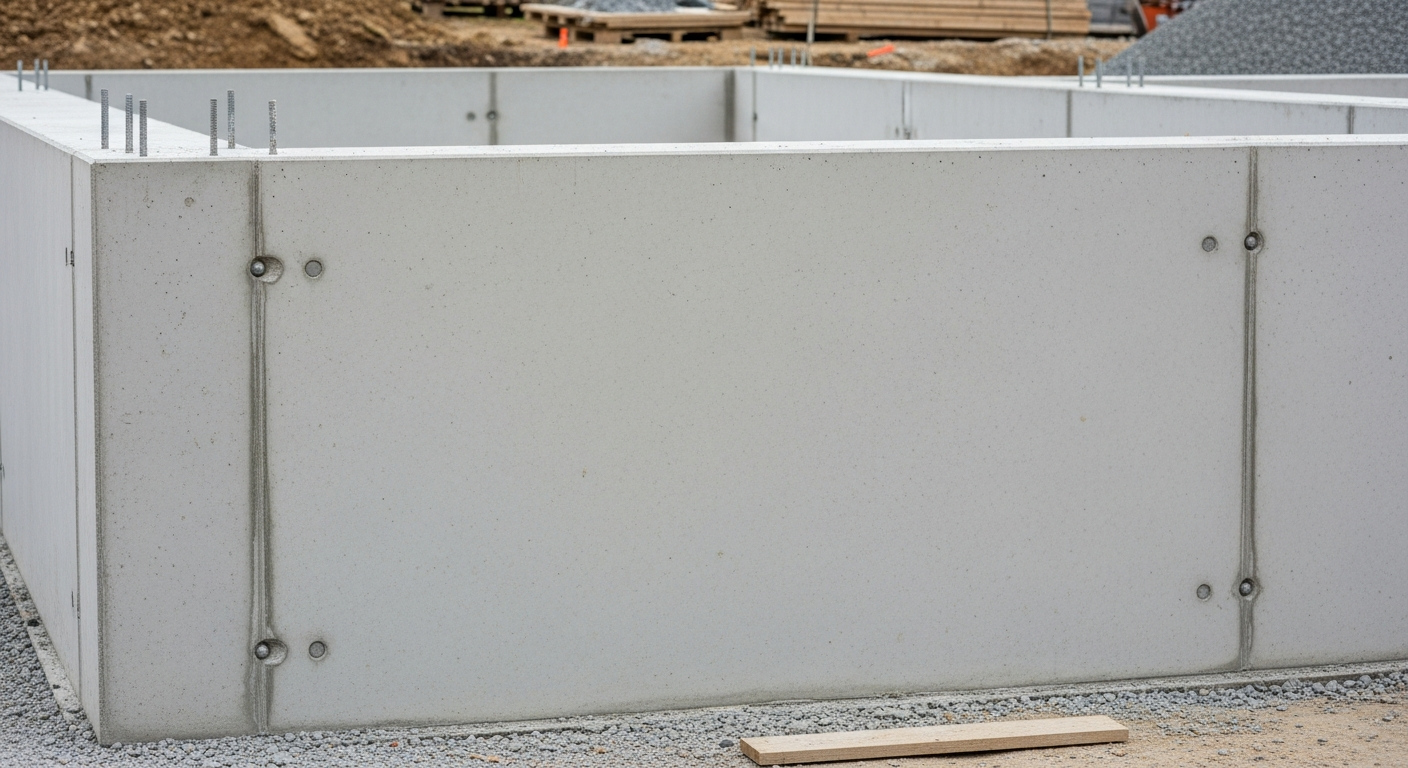

A whole-home remodel is a coordinated renovation of several rooms and systems planned as one project, so that work happens in a sensible order and nothing is torn up twice.
Transforming a whole house is exciting and daunting in equal measure. Here's how to approach a whole-home remodel in St. Louis — planning, budgeting, phasing, and picking the right team.
A whole-home remodel is the most ambitious project most homeowners will ever take on — and one of the most rewarding. Whether you've bought a dated home with great bones or you're finally reimagining the house you've lived in for years, a full renovation lets you reshape how your home works from top to bottom. It's also complex, expensive, and disruptive, so success depends heavily on how well you plan. Here's where to start.
Start With Priorities, Not Finishes
It's tempting to jump straight to paint colors and tile, but the best remodels start with a clear-eyed list of priorities. What isn't working about the home? What do you need it to do — for how you live now and for the next ten years? Which changes are must-haves versus nice-to-haves? Getting this clear up front keeps the project focused and gives you a framework for making the inevitable budget trade-offs later without losing sight of what matters most.
Set a Realistic Budget — With a Contingency
Whole-home remodels involve a lot of unknowns, especially in older St. Louis homes where opening up walls can reveal outdated wiring, old plumbing, or hidden water damage. Build your budget around your priorities, get a detailed itemized estimate rather than a vague number, and always set aside a contingency for surprises. A good contractor will be honest with you about what things cost and where an older home is likely to hold surprises, so you're planning with real numbers instead of hoping.
Decide: All at Once or in Phases?
There are two main approaches, and the right one depends on your budget and living situation:
- All at once: faster overall, often more cost-efficient (trades aren't remobilized repeatedly), and you're through the disruption in one stretch — but it usually means moving out and a larger upfront budget
- In phases: spreading the work and cost over time, tackling priorities first — easier on the budget and lets you stay in the home, but takes longer overall and can cost a bit more in total
Sequence the Work in the Right Order
A whole-home remodel has a logical order that a good contractor plans out: structural and layout changes first, then the systems behind the walls (electrical, plumbing, HVAC), then insulation and drywall, and finally the finishes — flooring, cabinetry, trim, and paint. Doing things out of order means tearing out finished work, which wastes money. Part of what you're hiring a remodeler for is this choreography, so the trades flow smoothly and nothing has to be redone.
Choose the Right Partner for the Journey
More than any single design choice, the contractor you choose determines how a whole-home remodel goes. You want an established, licensed, and insured local builder with the experience to manage a complex project, the honesty to tell you hard truths about budget and older-home surprises, and the accountability of being here to stand behind the work. As a full-service St. Louis building and remodeling company, we lead whole-home renovations from planning through the final walkthrough. For a free consultation, call STLBRC at (636) 999-7663.
Should you live in the house during the work?
It depends on scope and who lives with you. Dust, noise and shutoffs make daily life hard during demolition. Families with young children or health concerns often move out for the worst phases. Ask your contractor which weeks will be most disruptive.
What hidden issues are common in older homes?
Older homes may hide outdated wiring, old plumbing or past water damage. Some older materials, like certain paints or insulation, may need testing before disturbance. Licensed professionals should handle testing and removal. Build time and budget for these findings.
How do you handle change orders?
Agree on the process before work starts. Every change should be written and priced before it is built. Small changes add up quickly across many rooms. A single decision maker on your side helps avoid confusion.
What should a whole-home remodel contract include?
A clear contract protects both sides when the project runs for months. It should describe the work room by room. It should name finish allowances and what happens if you go over them. A schedule with milestones helps you see whether work is on track. The payment schedule should follow completed milestones, not dates alone. Permits, inspections and who handles them should be stated. A written change-order process prevents surprise bills. Ask how hidden conditions, such as rot or old wiring, will be priced. Make sure warranty terms are written, not verbal. Keep a copy of every signed change in one place.
- Room-by-room scope and finish allowances
- Milestone schedule and matching payments
- Permit responsibility
- Change-order and hidden-condition pricing
Who is your main contact?
Ask who runs the job day to day and how often you will get updates.
- Agree on a weekly update format
- Name one decision maker on your side
- Keep a shared list of selections and due dates