
Professional painting is the preparation, priming and coating of surfaces, and most of its lasting value comes from the prep done before any color goes on.
Paint delivers the biggest visual change for the least money of any home project — but the difference between a job that lasts and one that peels is almost entirely in the prep. Here's what to know.
Of all the ways to improve a home, paint offers the biggest transformation for the smallest budget. A fresh interior color scheme makes a house feel new; fresh exterior paint dramatically boosts curb appeal and protects the home from the elements. But painting is also one of the most misunderstood projects — homeowners focus on color and price when the real difference between a great result and a disappointing one is preparation. Here's an honest guide for St. Louis homeowners.
Why Prep Is 80% of a Good Paint Job
Professional painters have a saying: the painting is the easy part; the prep is the job. A beautiful, durable finish depends on what happens before the color goes on — cleaning surfaces, scraping and sanding, filling and patching, caulking gaps, priming bare or stained areas, and protecting everything that isn't being painted. When a cheap quote comes in surprisingly low, prep is almost always what's being skipped, and it shows within a year or two as peeling, cracking, and bleed-through. Good prep is invisible in the finished job but it's the whole reason the job lasts.
Exterior Painting in the Missouri Climate
Exterior paint does more than beautify — it's your home's armor against sun, rain, and our wide temperature swings. That also means it takes a beating, and the details matter:
- Thorough cleaning and scraping of any failing old paint is essential for adhesion
- Bare wood and repairs must be primed before topcoating
- Caulking gaps around trim, windows, and doors seals out the moisture that causes rot
- Quality exterior paint stands up to UV and freeze-thaw far better than bargain products
- Timing matters — painting in the right temperature and humidity window helps the finish cure properly
Interior Painting Done Right
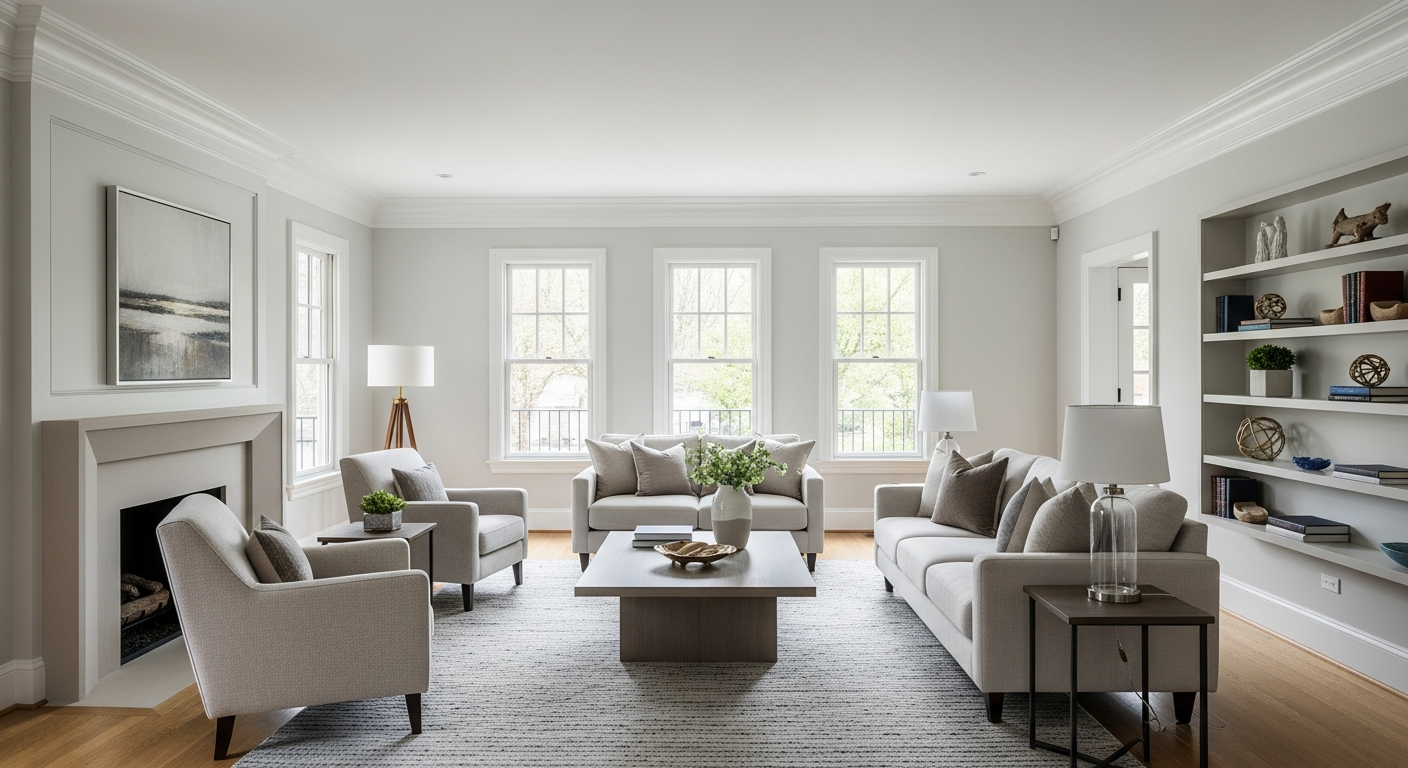
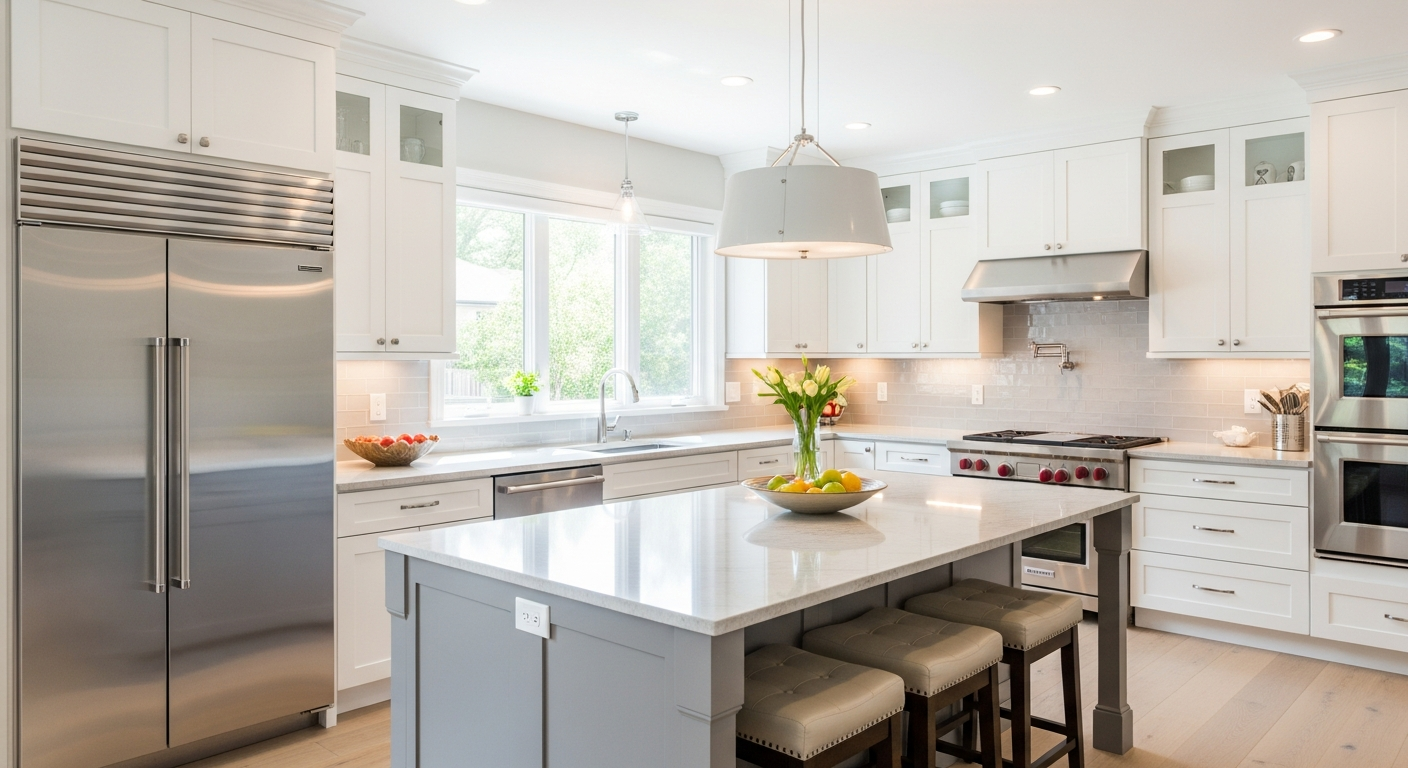
Interior painting is more forgiving of weather but still rewards good technique: proper surface prep and patching, quality primer where needed, careful cutting-in at edges and trim, and enough coats for full, even coverage. The right sheen matters too — flats and matte finishes hide wall imperfections and suit low-traffic rooms, while satin, eggshell, and semi-gloss are more washable and better for kitchens, baths, trim, and busy hallways. Careful protection of floors and furniture is part of a professional job.
What Does Painting Cost?
Painting cost depends on the size of the area, the amount of prep and repair required, the number of colors, and the condition of the existing surfaces. Exterior jobs also factor in the home's height and the type of siding. Because prep is so much of the work, a home that's been well-maintained costs less to repaint than one with lots of peeling, cracking, or repairs needed. We provide detailed quotes that spell out the prep included, so you can compare fairly — and understand why the lowest bid isn't always the best value.
A Finish That Lasts
The value of a paint job is measured not just in how it looks the day it's finished, but in how it holds up years later — and that comes down to prep, quality materials, and skilled application. We paint interiors and exteriors across the St. Louis area with the preparation and care that make the results last. For a free painting estimate, call STLBRC at (636) 999-7663.
What about lead paint in older homes?
Homes built before 1978 may contain lead-based paint. Sanding or scraping it can create hazardous dust. Contractors who disturb it in pre-1978 homes must follow EPA lead-safe work rules. Ask whether your painter is certified under the EPA Renovation, Repair and Painting program.
When is the best time to paint outside?
Paint when temperature and humidity fall within the product label's range. Avoid painting just before rain or when dew will settle on wet paint. Direct hot sun can make paint dry too fast. Good crews follow the sun around the house.
How many coats do you need?
It depends on the color change and surface. A major color shift or bare wood often needs primer plus two coats. Ask each painter how many coats are included in the price.
What should a painting estimate list?
A clear estimate names the surfaces, the prep steps, the primer, the paint product and the number of coats. It should say who moves furniture and protects floors. Exterior estimates should mention scraping, caulking and wood repair. Compare these lines across bids, not just the total.
How do you prepare the house for painters?
Clear small items from walls and shelves. Move furniture to the center of rooms if the estimate asks you to. Trim shrubs back from exterior walls so crews can reach siding. Keep pets away from wet paint. Confirm paint colors and sheens in writing before day one, and keep a labeled can of each for touch-ups later.
- Ask about cleanup each day
- Confirm touch-up visit terms
- Note color codes in your home file