
A flooring option is the finished surface you walk on, and the best choice depends on moisture, traffic, subfloor condition and how the room is used.
New floors change a home more than almost any other update — but the best material depends on the room, your lifestyle, and your budget. Here's how the top flooring options compare.
Few upgrades transform a home like new flooring — it changes the feel of every room it touches. But there's no single best floor; the right choice depends on the room, how much traffic and moisture it sees, your budget, and your taste. Here's a clear comparison of the most popular options we install for St. Louis homeowners, so you can match the right floor to the right space.
Hardwood Flooring
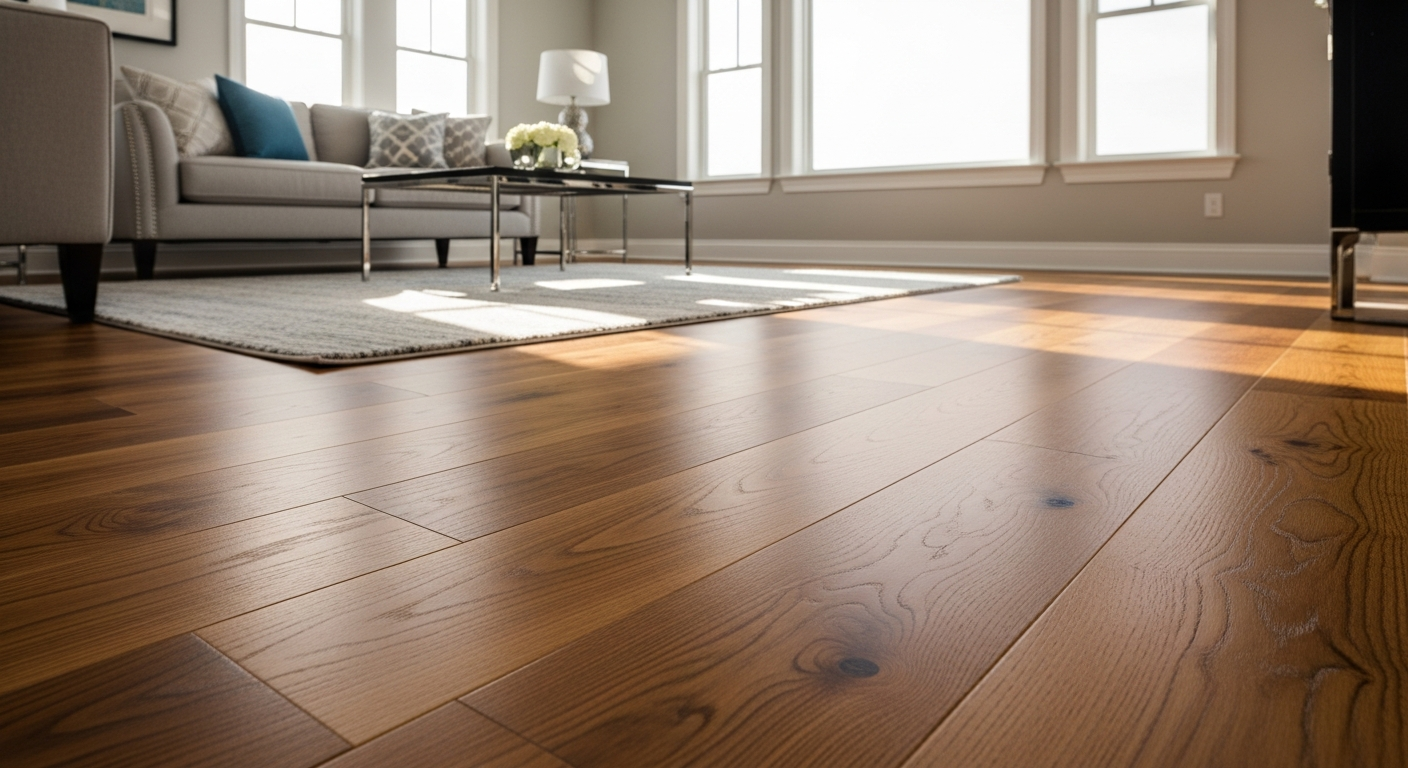
Real hardwood is the classic, and it remains the gold standard for warmth, beauty, and resale appeal. It can be refinished multiple times over its life, so a hardwood floor can last for generations. Its main weakness is moisture — solid hardwood isn't ideal for bathrooms, basements, or other damp areas, where humidity swings can cause cupping. Engineered hardwood (real wood over a stable plywood core) handles moisture and humidity better while keeping the authentic look.
- Pros: timeless beauty, can be refinished, excellent resale value, long lifespan
- Considerations: sensitive to moisture (solid); higher cost
- Best for: living areas, bedrooms, dining rooms, hallways
Luxury Vinyl Plank (LVP)
LVP has become one of the most popular floors in the country, and for good reason: it's highly water-resistant (many products are fully waterproof), extremely durable against scratches and dents, comfortable underfoot, and it convincingly mimics wood or stone. It's also budget-friendly and typically installs as a floating floor, which keeps labor reasonable. For families with kids and pets, or for moisture-prone areas, it's hard to beat.
- Pros: waterproof options, very durable, affordable, easy installation, realistic looks
- Considerations: won't add resale value the way real hardwood does
- Best for: kitchens, basements, bathrooms, high-traffic family areas — nearly anywhere
Tile
Porcelain and ceramic tile are the most durable and water-resistant options available, which makes them the default for bathrooms, laundry rooms, mudrooms, and entryways. Tile is nearly impervious to water, scratches, and wear, and today's large-format and wood-look tiles offer looks far beyond the old grid of small squares. The trade-offs are that tile is hard and cold underfoot (though pairs wonderfully with heated floors) and installation is labor-intensive.
- Pros: extremely durable, waterproof, huge design range, great with radiant heat
- Considerations: hard and cold underfoot; more involved installation
- Best for: bathrooms, laundry, mudrooms, entryways, and anywhere water is present
Floating Floors: A Method, Not a Material
One point of confusion worth clearing up: a 'floating floor' isn't a material — it's an installation method where planks lock together and rest over the subfloor without being nailed or glued down. Many LVP and laminate floors, and some engineered hardwoods, install this way. The advantages are faster, cleaner installation and the ability to go over many existing subfloors. It's why LVP is so cost-effective to install. Laminate is another floating-floor option — a budget-friendly, scratch-resistant wood look, though less water-resistant than LVP.
Matching Floor to Room
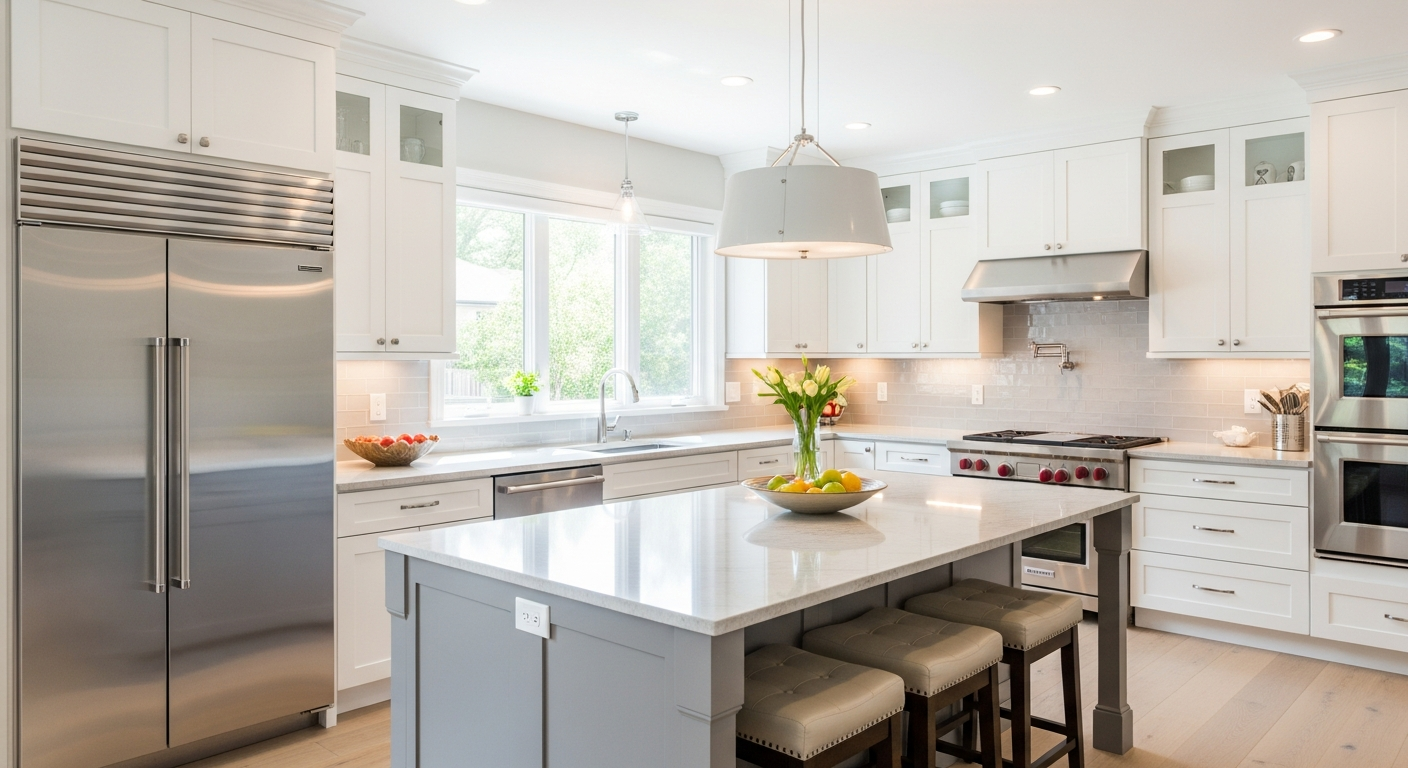
Here's the simple way we guide homeowners: use hardwood in living areas and bedrooms where beauty and resale matter most; use LVP in kitchens, basements, and busy family spaces where you want durability and water resistance on a budget; use tile in bathrooms, laundry, and entryways where water and wear are heaviest. Many homes use a combination — and a good contractor will help you plan transitions between materials so it flows. For a free flooring consultation in the St. Louis area, call STLBRC at (636) 999-7663.
Why does the subfloor matter?
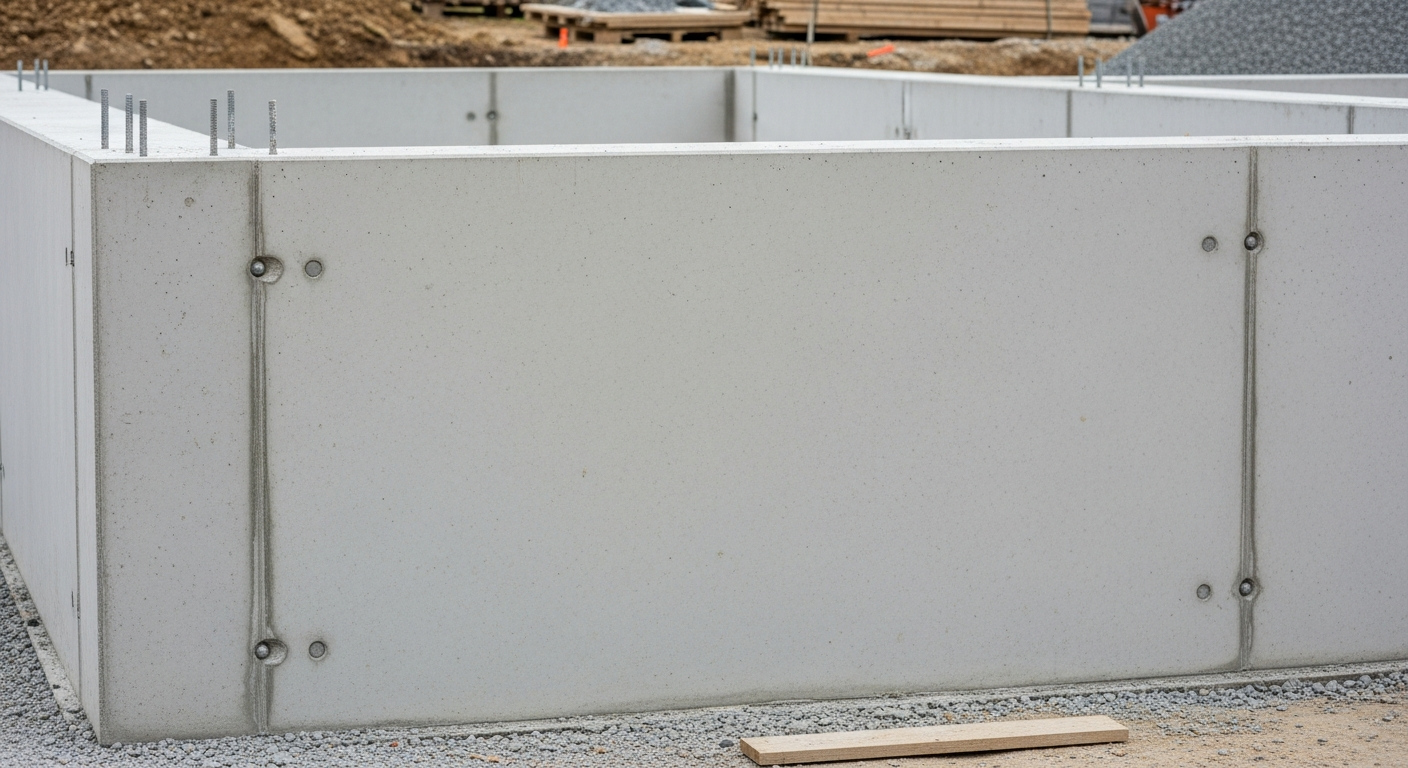
Most flooring problems trace back to what is underneath. Uneven, soft or damp subfloors cause gaps, cracks and squeaks. Installers should check flatness and moisture before quoting. Ask what prep work is included and how it is priced.
Which floors work in basements?
Basements in our area can have moisture coming through the slab. Solid hardwood is generally a poor fit there. Tile and many vinyl products handle moisture better. Fix drainage and leaks first, since no floor solves a wet basement.
Should one floor run through the whole house?
Continuous flooring can make spaces feel larger and avoids awkward transitions. It only works if the material suits every room it crosses. Kitchens, baths and entries need moisture tolerance. Ask where transitions are required anyway, such as at doorways.
How do you plan transitions between floors?
Transitions happen at doorways and where materials change. Height differences can create trip edges. Ask your installer which transition strip will be used and where.
What should you know before getting flooring quotes?
Measure each room roughly and note what flooring is there now. Note any stairs, since they add labor. Mention pets, kids and any rooms that get wet. Ask each installer whether removal, disposal, subfloor prep, trim and transitions are included. Those items explain most of the gaps between quotes.
- Ask whether furniture moving is included
- Ask how long rooms will be out of use
- Confirm who handles baseboard removal and reinstall