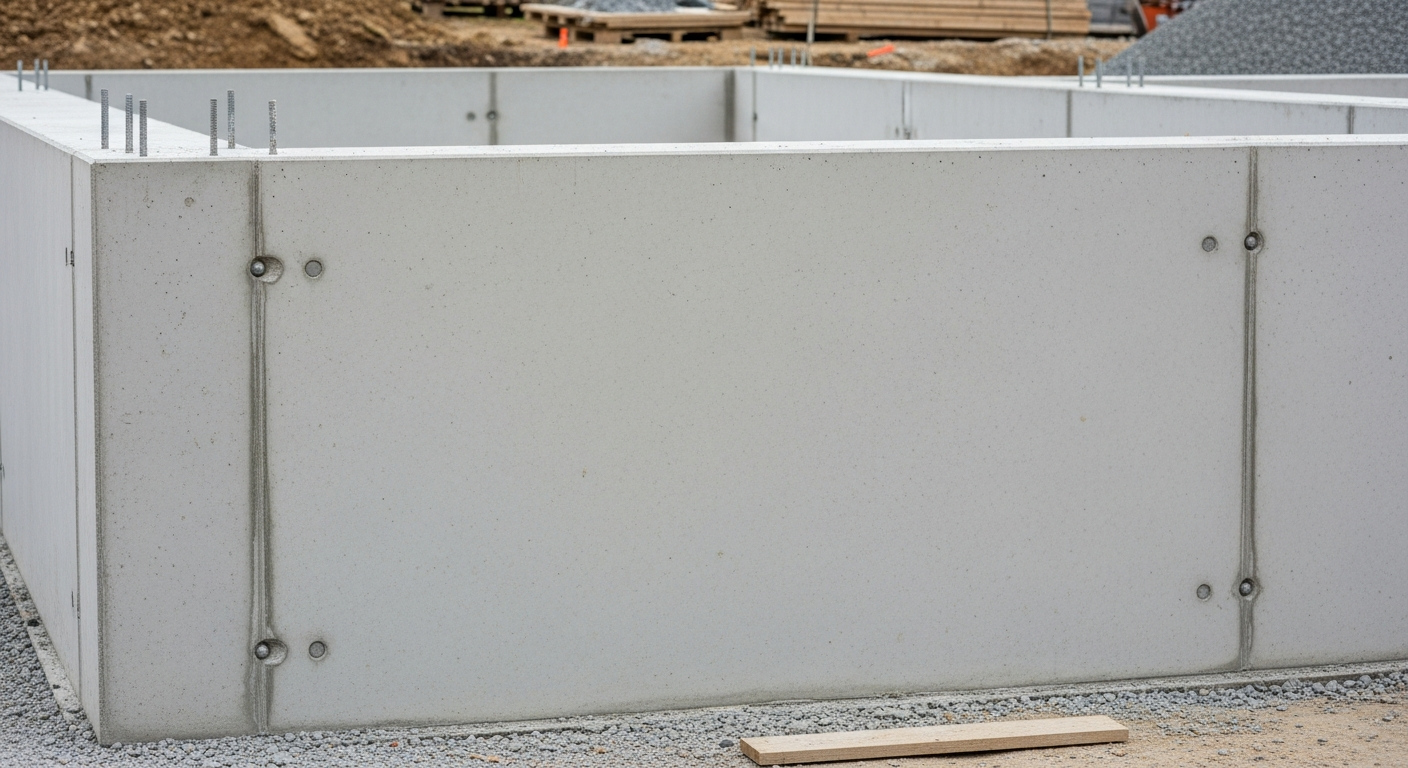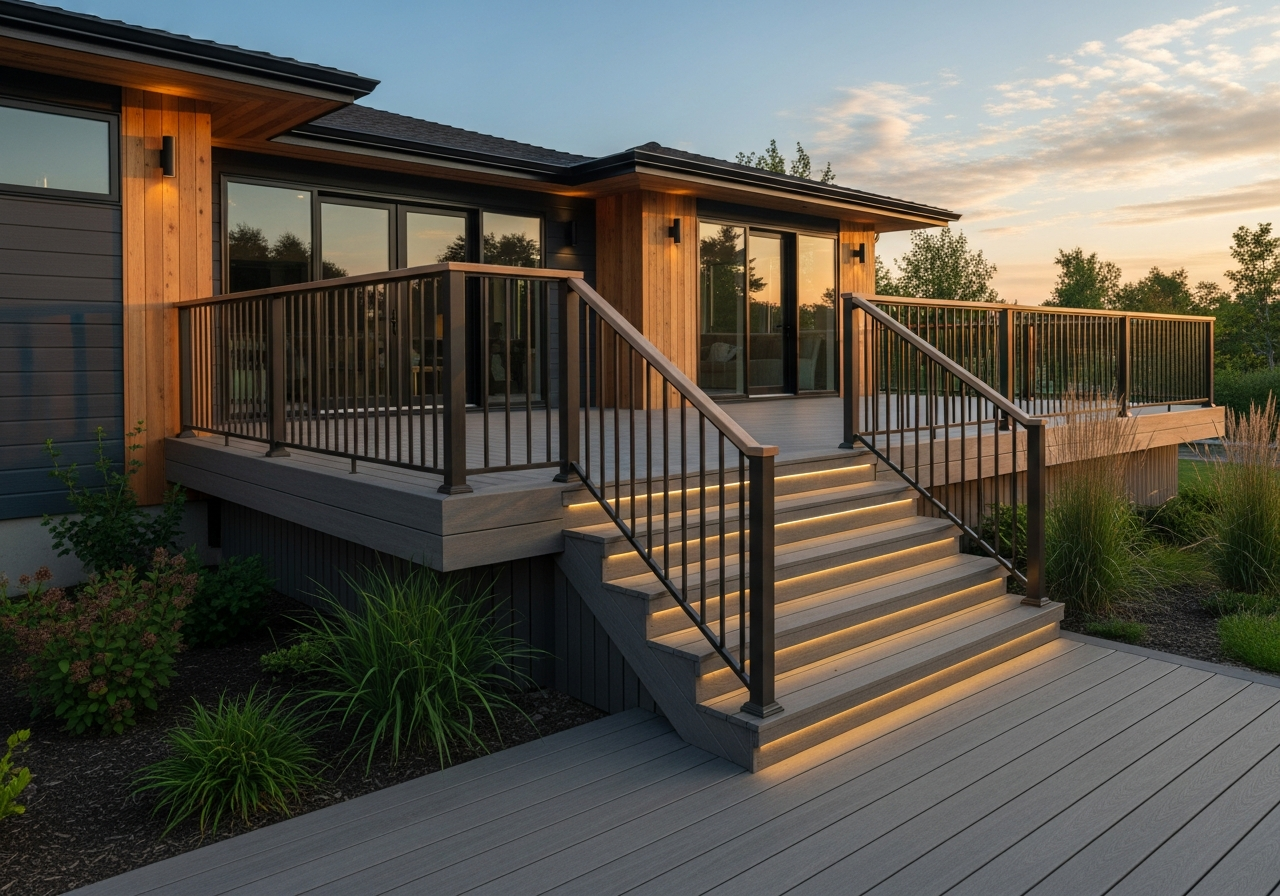

Concrete flatwork is any horizontal slab such as a driveway, patio or walkway, poured over a prepared base and finished with joints to control cracking.
Concrete is the workhorse of the home exterior — driveways, patios, walkways, and more. Here's how to get concrete flatwork that looks great and survives Missouri's freeze-thaw winters.
Concrete is everywhere around a home — the driveway you park on, the patio you relax on, the walkways that tie it all together. It's durable, versatile, and, done well, can be genuinely attractive. But concrete is also unforgiving of poor installation, and in a freeze-thaw climate like Missouri's, the difference between concrete that lasts decades and concrete that cracks and spalls within a few years comes down to how it's poured. Here's what St. Louis homeowners should know.
Common Concrete Projects
Concrete flatwork covers a wide range of home projects:
- Driveways: the most common, and the one that takes the most weight and wear
- Patios: outdoor living space, plain or decorative
- Walkways and sidewalks: connecting spaces and improving curb appeal
- Steps and stoops
- Garage and basement floors
- Foundations and footings for additions and structures
Decorative Options Beyond Plain Gray
Concrete no longer has to mean a plain gray slab. A range of decorative techniques can dramatically upgrade its look:
- Stamped concrete: textured and patterned to mimic brick, stone, or pavers at a lower cost
- Colored/integral color and stains: warm tones that move away from plain gray
- Exposed aggregate: a textured, decorative finish with good slip resistance
- Broom and troweled finishes: classic, practical textures for traction and durability
What Makes Concrete Last in Missouri
This is the part that separates good concrete work from bad, because our freeze-thaw cycles are brutal on poorly poured slabs. Long-lasting concrete depends on:
- A properly prepared, compacted base — the foundation of any slab; skimp here and it cracks
- The correct concrete mix and adequate thickness for the load (a driveway needs more than a walkway)
- Control joints cut in the right places to direct the inevitable cracking to hidden lines
- Proper curing, so the concrete gains strength correctly rather than drying too fast
- A quality sealer to resist water penetration, road salt, and freeze-thaw damage
Why Cheap Concrete Gets Expensive
Concrete is one of those trades where cutting corners is invisible on day one and painfully obvious a couple of winters later. An inadequate base, a thin pour, missing or poorly placed control joints, or skipped curing and sealing all lead to premature cracking, heaving, and spalling — and once concrete fails, the fix is usually to tear it out and repour. Because it's a permanent installation that's costly to redo, concrete is a place where doing it right the first time genuinely saves money. Ask what base preparation and thickness a quote includes, not just the price.
Concrete Done Right the First Time
Whether you need a new driveway, a decorative patio, walkways, or flatwork for an addition, the base preparation and finishing are what determine how long it lasts through Missouri winters. We pour concrete for homeowners across the St. Louis area with proper base prep, correct thickness, and finishing built to endure our freeze-thaw climate. For a free estimate, call STLBRC at (636) 999-7663.
Why does concrete crack, and is it normal?
Concrete shrinks as it cures, so some cracking is expected. Control joints guide those cracks into straight lines. Random wide cracks or heaving point to base or drainage issues. Ask how joints will be spaced on your slab.
What base and thickness should a quote list?
A good quote states base material, slab thickness and reinforcement. Driveways carry vehicles and need more than a walkway. Compare those lines across bids, not just price.
How do you care for new concrete in winter?
Be careful with deicing salts, especially on new concrete. Many salts can damage the surface. Ask your contractor which deicers they recommend, and whether sealing suits your slab. Shovel early to reduce how much melt product you need.
When can you drive or walk on it?
Foot traffic usually comes before vehicle traffic. Exact timing depends on mix and weather. Follow the contractor's written guidance rather than guessing.
Should old concrete be replaced or repaired?
Small cracks can often be sealed. Sunken sections may be lifted in some cases. Badly broken or heaved slabs usually need replacement. Ask what is causing the movement first, since water often is.
How should water drain off a new slab?
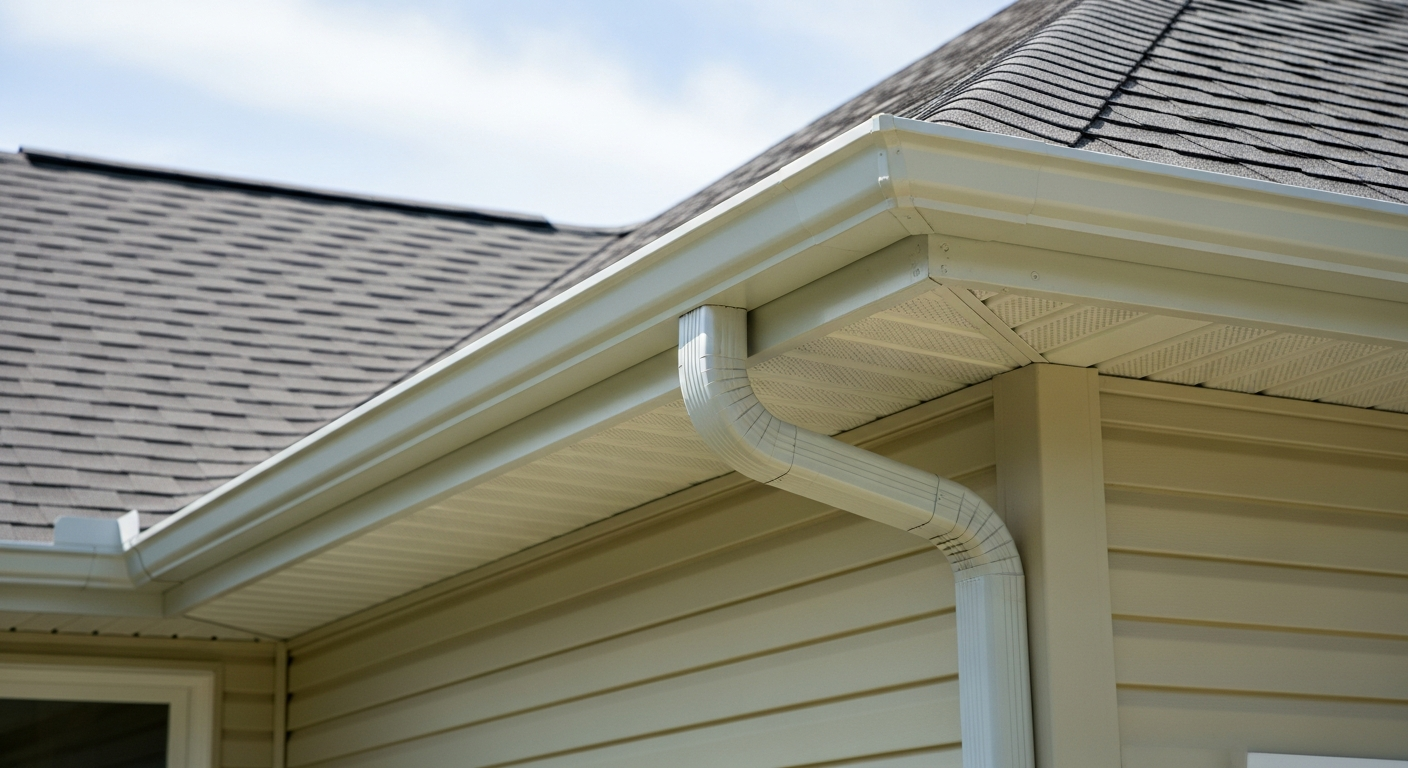
Every slab should slope so water runs away from the house. Water pooling against a foundation can soak basement walls and wash out the base under concrete. Patios next to the house should pitch away from the wall. Driveways should not send runoff into a garage. Downspouts should not empty onto the slab base or under its edges. Ask your contractor to show the planned slope direction before pouring. It is hard to change once concrete sets.
Is a permit needed for a new driveway?
It depends on your municipality and the work. Driveway approaches that meet a public street often have local rules. Ask your contractor who checks requirements and pulls any permit. Confirm property lines and utility locations before digging.
- Call the free utility locate service before any digging
- Ask whether removal of old concrete is included
- Confirm finish texture and color with a sample