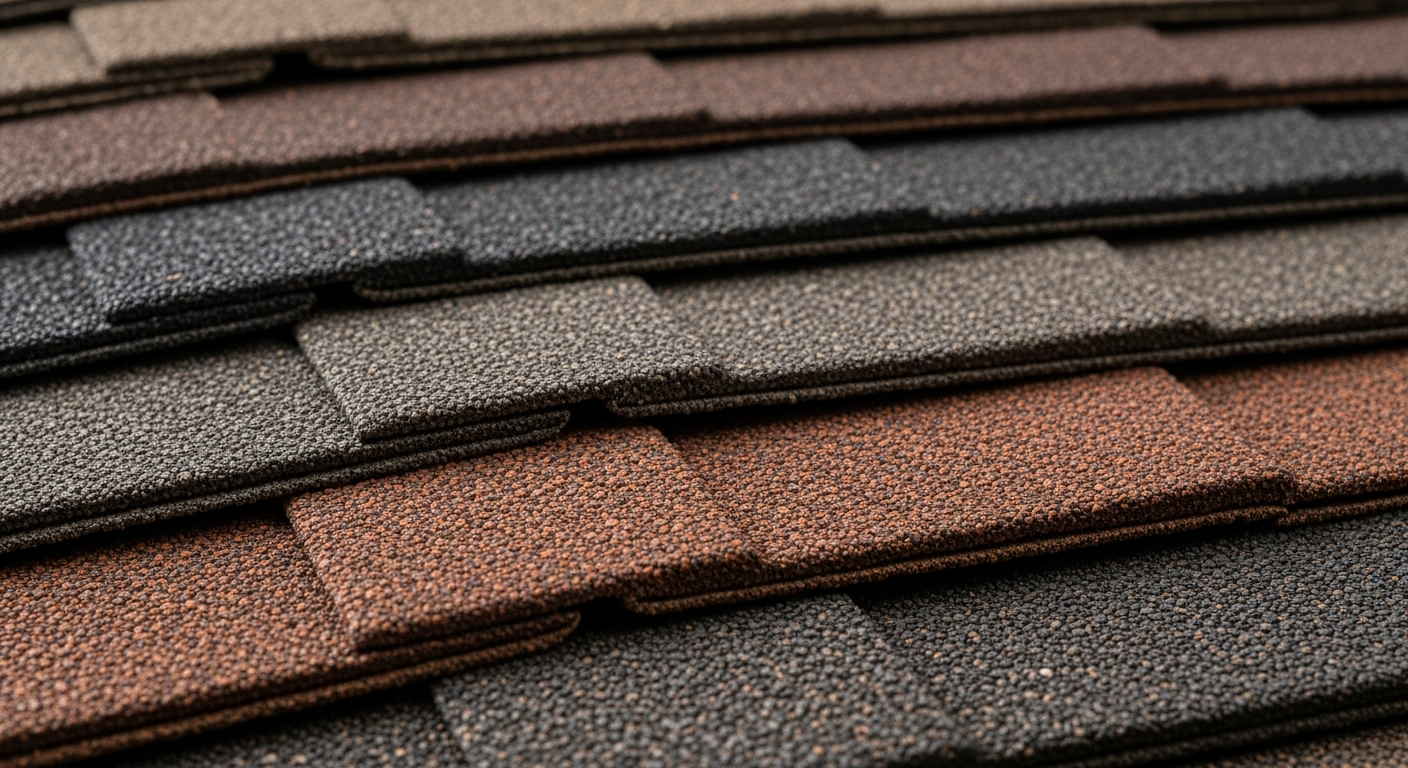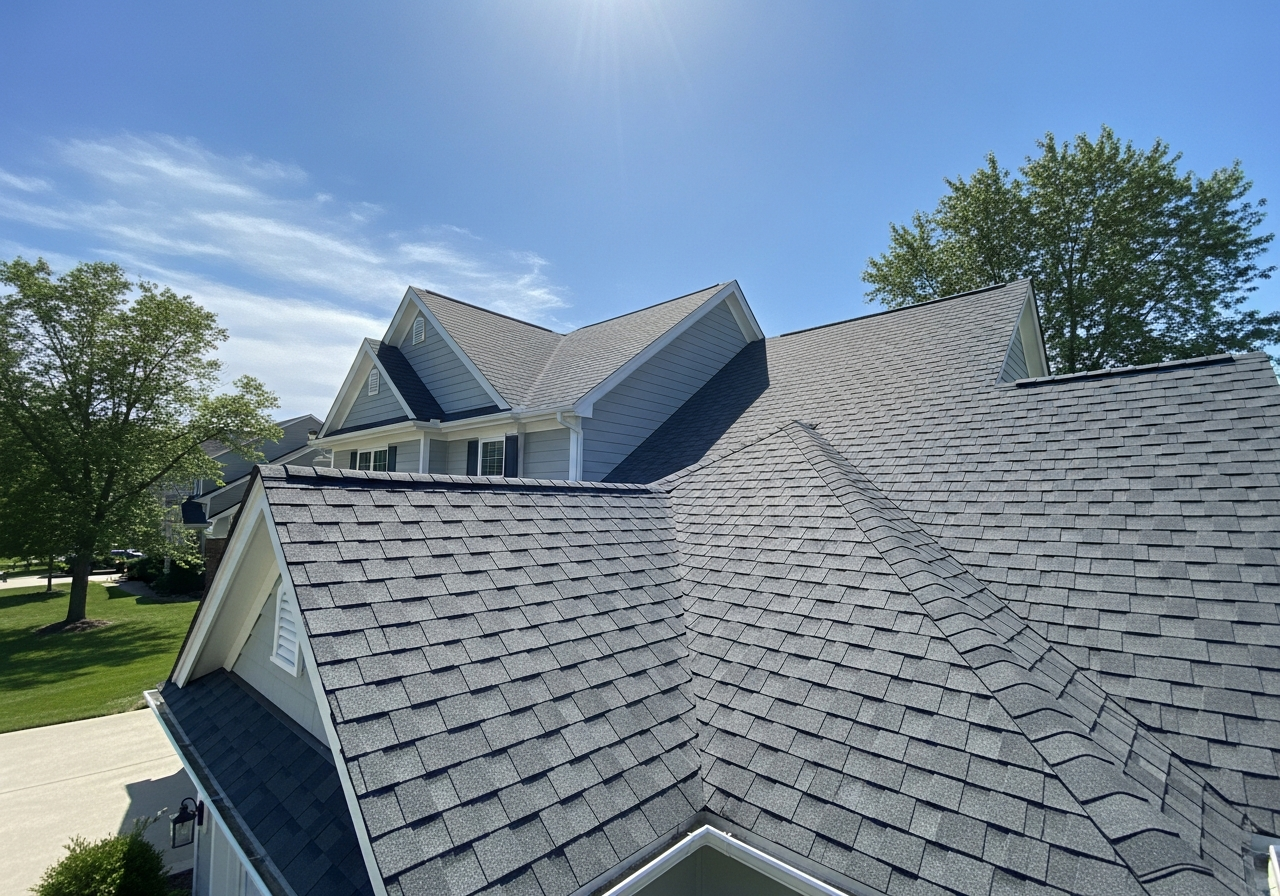

A slate roof is a roof covered in natural stone tiles or in synthetic slate made from engineered polymers or rubber that imitates the stone's look at lower weight.
Nothing matches the timeless elegance of a slate roof — and few materials last as long. But natural slate is heavy and expensive, which is why synthetic slate has become a compelling alternative for St. Louis homes.
Drive through the historic neighborhoods of St. Louis — the Central West End, Compton Heights, Lafayette Square — and you'll see slate roofs that have protected their homes for a hundred years and still look magnificent. Slate is the most enduring and elegant roofing material there is. But it's also the heaviest and most expensive, which has led to the rise of synthetic slate that captures the look for a fraction of the weight and cost. Here's how to think about slate for a St. Louis home.
Natural Slate: A Century of Beauty
Natural slate is real stone, quarried and split into tiles. Installed correctly, a natural slate roof can last 75 to 100 years or more — often outliving the homeowners who install it. It's completely fireproof, impervious to rot and insects, and has a depth of color and texture that no manufactured product perfectly replicates. For historic and high-end homes where authenticity and longevity justify the investment, nothing else compares.
- Lifespan: 75–100+ years
- Cost: among the most expensive roofing options, often several times the price of asphalt
- Best for: historic restorations and luxury homes where authenticity is essential
The Catch: Weight and Cost
Natural slate's drawbacks are significant and worth understanding before you fall in love with it. Slate is extremely heavy — a slate roof can weigh several times what an asphalt roof weighs, and many homes require additional structural reinforcement to carry it safely. That structural work adds cost on top of the already-premium material and specialized installation. Slate also requires an experienced installer; it's a craft, and a poor installation can crack tiles and cause leaks. Repairs down the road require someone who knows how to work with it.
Synthetic Slate: The Modern Alternative
For many homeowners who love the slate look but not the weight or price, synthetic slate is the answer. Made from engineered polymers (often with recycled content), synthetic slate tiles mimic the shape, texture, and shadow lines of natural slate remarkably well — but at a fraction of the weight and cost. Because they're so much lighter, they usually don't require the structural reinforcement natural slate demands, and they install more like conventional roofing.
- Lifespan: typically 40–50 years, with strong manufacturer warranties
- Cost: far less than natural slate, though more than standard asphalt
- Weight: light enough for most homes without added structural work
- Best for: homeowners wanting the slate aesthetic with easier, more affordable installation
Impact and Weather Performance
In a hail market like Missouri's, this is a meaningful difference. Natural slate is hard and durable but can crack under a direct hit from large hail. Many premium synthetic slate products, by contrast, are engineered for impact and carry Class 4 ratings — the highest impact resistance available — which can also qualify for insurance discounts. Both materials handle our wind, freeze-thaw, and UV exposure far better than asphalt over the long term.
Which Is Right for Your Home?
If you own a historic St. Louis home with an existing slate roof, or you're restoring a period property where authenticity matters, natural slate (properly supported and expertly installed) is worth the investment. If you love the look of slate on a newer or conventionally framed home and want to avoid structural upgrades and six-figure budgets, synthetic slate delivers the aesthetic with modern durability and a friendlier price. Either way, slate-style roofing is a specialty — the installer's experience matters enormously. We're glad to evaluate your home's structure and walk you through both options. Call STLBRC at (636) 999-7663.
Should an old slate roof be repaired or replaced?
Many older slate roofs can be repaired if the stone itself is still sound. Failures often come from rusted nails, worn flashing or broken pieces, not the slate. A slate-experienced roofer can tell sound slate from soft or flaking stone. Get that opinion before agreeing to tear off a historic roof.
Why is walking on slate a problem?
Slate breaks under foot traffic, and it is slippery. Untrained workers can cause more damage during an inspection than the storm did. Homeowners should never climb onto a slate roof. Ask any contractor how they access slate, such as with hook ladders or roof jacks.
Can synthetic slate match a historic look?
Some products come close, especially with varied widths and blended colors. Up close, the texture differs from real stone. If your home is in a historic district, check local review rules before choosing a substitute material. Ask the contractor for sample boards to compare in daylight on your own house.
What details make or break a slate job?
Flashing and fasteners decide how long the roof lasts. Copper flashing and corrosion-resistant nails are common on quality slate work. Ask what metal will be used at valleys, chimneys and walls, and how the existing slate will be protected during repairs.